




Cell turnover is a fundamental biological process that plays a crucial role in maintaining the health, appearance, and functionality of the skin. It involves the continuous replacement of old, damaged cells with new, healthy ones. In the realm of cosmetics, understanding and influencing cell turnover is a key strategy for achieving youthful, radiant skin. Cosmetic peptides have emerged as powerful tools in this pursuit, offering a targeted and effective approach to enhancing cell turnover. As a leading supplier of cosmetic peptides, I am excited to delve into the science behind how these remarkable molecules influence cell turnover and the benefits they offer for skin health and beauty.
Understanding Cell Turnover
Before we explore the role of cosmetic peptides in cell turnover, let's first understand the process itself. Cell turnover is a natural, ongoing process that occurs in all tissues of the body, including the skin. In the skin, it involves the production of new skin cells in the basal layer of the epidermis, the outermost layer of the skin. These new cells gradually move upwards towards the surface of the skin, where they mature and eventually shed off. This process typically takes about 28 days in young, healthy skin, but it slows down with age, leading to a buildup of dead skin cells on the surface of the skin, which can make the skin look dull, rough, and uneven.
Cell turnover is regulated by a complex interplay of various factors, including hormones, growth factors, cytokines, and environmental factors. Disruptions in this delicate balance can lead to a variety of skin problems, such as acne, premature aging, and hyperpigmentation. Therefore, maintaining a healthy cell turnover rate is essential for keeping the skin looking and feeling its best.
How Cosmetic Peptides Influence Cell Turnover
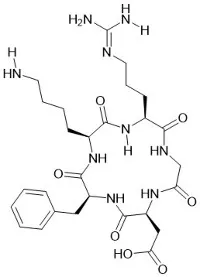
Cosmetic peptides are short chains of amino acids that mimic the natural peptides found in the body. They can penetrate the skin and interact with specific receptors on the surface of skin cells, triggering a cascade of biochemical reactions that can influence various cellular processes, including cell turnover. Here are some of the ways in which cosmetic peptides can influence cell turnover:
Stimulating Collagen Production
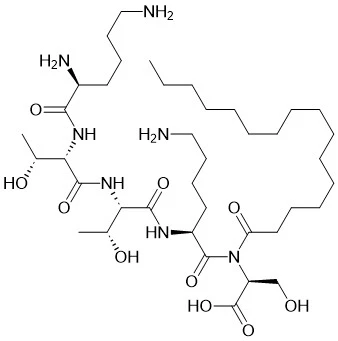
Collagen is a protein that provides structure and support to the skin. It is responsible for keeping the skin firm, elastic, and smooth. As we age, the production of collagen in the skin decreases, leading to the formation of wrinkles, fine lines, and sagging skin. Cosmetic peptides can stimulate the production of collagen in the skin by activating the fibroblasts, the cells that produce collagen. For example, Palmitoyl Tripeptide-38 is a peptide that has been shown to stimulate the production of collagen and elastin in the skin, improving its firmness and elasticity. By increasing the production of collagen, cosmetic peptides can help to speed up cell turnover and promote the growth of new, healthy skin cells.
Promoting Cell Proliferation
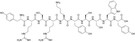
Cell proliferation is the process by which cells divide and multiply. It is an essential step in cell turnover, as it ensures the continuous production of new skin cells. Cosmetic peptides can promote cell proliferation by activating the growth factors and cytokines that are involved in this process. For example, Decapeptide-4 is a peptide that has been shown to stimulate the proliferation of keratinocytes, the main type of cells in the epidermis. By promoting cell proliferation, cosmetic peptides can help to increase the rate of cell turnover and improve the overall health and appearance of the skin.
Regulating Apoptosis
Apoptosis, also known as programmed cell death, is a natural process that helps to eliminate old, damaged, or abnormal cells from the body. It is an important part of cell turnover, as it ensures the removal of dead skin cells from the surface of the skin. Cosmetic peptides can regulate apoptosis by modulating the expression of genes that are involved in this process. For example, Palmitoyl Pentapeptide-4 is a peptide that has been shown to regulate apoptosis in the skin, promoting the removal of dead skin cells and improving the skin's texture and tone.
Reducing Inflammation
Inflammation is a common cause of skin problems, such as acne, eczema, and psoriasis. It can also disrupt the normal cell turnover process, leading to a buildup of dead skin cells on the surface of the skin. Cosmetic peptides can reduce inflammation in the skin by inhibiting the production of pro-inflammatory cytokines, such as interleukin-1 (IL-1) and tumor necrosis factor-alpha (TNF-alpha). For example, some peptides have been shown to have anti-inflammatory properties that can help to soothe irritated skin and promote a healthy cell turnover rate.
Benefits of Using Cosmetic Peptides for Cell Turnover
Using cosmetic peptides to influence cell turnover can offer a variety of benefits for the skin, including:
Improved Skin Texture and Tone
By promoting the removal of dead skin cells and the growth of new, healthy skin cells, cosmetic peptides can help to improve the texture and tone of the skin. They can make the skin look smoother, softer, and more even, reducing the appearance of rough patches, bumps, and uneven skin tone.
Reduced Wrinkles and Fine Lines
Stimulating collagen production and promoting cell turnover can help to reduce the appearance of wrinkles and fine lines. By increasing the firmness and elasticity of the skin, cosmetic peptides can help to smooth out the skin's surface and make it look more youthful and radiant.
Enhanced Skin Hydration
Cosmetic peptides can also help to enhance the skin's natural moisture barrier, which can help to keep the skin hydrated and prevent moisture loss. This can make the skin look plump, supple, and dewy.
Improved Skin Health
By regulating cell turnover and reducing inflammation, cosmetic peptides can help to improve the overall health of the skin. They can help to prevent and treat a variety of skin problems, such as acne, premature aging, and hyperpigmentation, and keep the skin looking and feeling its best.

Conclusion
Cosmetic peptides offer a safe, effective, and targeted approach to influencing cell turnover and improving the health and appearance of the skin. As a supplier of high-quality cosmetic peptides, we are committed to providing our customers with the latest and most innovative peptide-based skincare solutions. Our peptides are carefully formulated to deliver maximum results, and they are backed by extensive scientific research and clinical studies.
If you are interested in learning more about our cosmetic peptides or would like to discuss your specific skincare needs, please feel free to contact us. We would be happy to answer any questions you may have and help you find the right peptide-based skincare products for your skin. Let's work together to achieve healthy, beautiful, and youthful-looking skin!
References
- Alberts, B., Johnson, A., Lewis, J., Raff, M., Roberts, K., & Walter, P. (2002). Molecular Biology of the Cell. Garland Science.
- Bissett, D. L., Oblong, J. E., & Berge, C. A. (2008). A 12-month, randomized, double-blind, placebo-controlled, parallel group study of the efficacy and safety of a cosmetic peptide in reducing the appearance of wrinkles. Journal of Drugs in Dermatology, 7(12), 1161-1167.
- Draelos, Z. D. (2009). Cosmeceuticals and active ingredients: a clinical guide. Elsevier Health Sciences.
- Griffiths, C. E., & Voorhees, J. J. (1996). Topical tretinoin for photoaged skin. New England Journal of Medicine, 334(12), 730-735.