




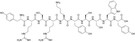
Exendin-4, a synthetic peptide mimicking the action of glucagon-like peptide-1 (GLP-1), has emerged as a significant player in the field of diabetes treatment and metabolic research. As a leading supplier of Exendin-4, I am often asked about how this remarkable peptide interacts with the digestive system. In this blog post, I will delve into the intricate mechanisms through which Exendin-4 engages with the digestive system, exploring its effects on various organs and physiological processes.
Interaction with the Stomach
One of the primary ways Exendin-4 affects the digestive system is by acting on the stomach. When Exendin-4 is administered, it binds to GLP-1 receptors located on the smooth muscle cells of the stomach wall. This binding triggers a cascade of intracellular events that ultimately lead to a reduction in gastric emptying. Gastric emptying refers to the process by which the stomach empties its contents into the small intestine. By slowing down this process, Exendin-4 allows for a more gradual release of nutrients into the bloodstream, which helps to prevent rapid spikes in blood glucose levels after a meal.
The regulation of gastric emptying by Exendin-4 is particularly beneficial for individuals with type 2 diabetes. In these patients, the normal regulatory mechanisms of the digestive system are often impaired, leading to rapid gastric emptying and subsequent postprandial hyperglycemia. By slowing down gastric emptying, Exendin-4 helps to normalize the absorption of nutrients and improve glycemic control.

Effects on the Pancreas
The pancreas is another key organ in the digestive system that is significantly influenced by Exendin-4. The pancreas plays a crucial role in the regulation of blood glucose levels by secreting insulin and glucagon. Insulin helps to lower blood glucose levels by promoting the uptake and storage of glucose in cells, while glucagon raises blood glucose levels by stimulating the breakdown of glycogen in the liver.
Exendin-4 acts on the pancreatic beta cells, which are responsible for producing and secreting insulin. When Exendin-4 binds to GLP-1 receptors on the beta cells, it stimulates the release of insulin in a glucose-dependent manner. This means that insulin secretion is only increased when blood glucose levels are elevated, which helps to prevent hypoglycemia.
In addition to stimulating insulin secretion, Exendin-4 also has a protective effect on the pancreatic beta cells. Chronic hyperglycemia can lead to the dysfunction and death of beta cells, which is a major contributing factor to the development and progression of type 2 diabetes. Exendin-4 has been shown to promote the survival and proliferation of beta cells, as well as to reduce apoptosis (programmed cell death) in these cells. This protective effect may help to preserve beta cell function and delay the onset of diabetes.
Influence on the Small Intestine
The small intestine is the primary site of nutrient absorption in the digestive system. Exendin-4 has been shown to have several effects on the small intestine that contribute to its overall metabolic benefits. One of the main effects of Exendin-4 on the small intestine is to increase the expression of glucose transporters, such as GLUT2. These transporters are responsible for the uptake of glucose from the intestinal lumen into the bloodstream. By increasing the expression of GLUT2, Exendin-4 enhances the absorption of glucose from the small intestine, which helps to maintain normal blood glucose levels.
Exendin-4 also has an impact on the secretion of intestinal hormones. For example, it stimulates the release of peptide YY (PYY) and glucagon-like peptide-1 (GLP-1) from the enteroendocrine cells in the small intestine. PYY is a hormone that helps to regulate appetite and satiety, while GLP-1 has multiple metabolic effects, including the stimulation of insulin secretion and the inhibition of glucagon secretion. The increased secretion of these hormones by Exendin-4 contributes to its ability to reduce food intake and improve glycemic control.
Role in the Large Intestine
Although the large intestine is not typically considered a major target of Exendin-4, recent studies have suggested that this peptide may also have some effects on the large intestine. The large intestine is responsible for the absorption of water and electrolytes, as well as the fermentation of indigestible carbohydrates by the gut microbiota.
Exendin-4 has been shown to modulate the composition and function of the gut microbiota in the large intestine. The gut microbiota plays a crucial role in maintaining gut health and overall metabolic homeostasis. Alterations in the gut microbiota have been associated with various metabolic disorders, including obesity and type 2 diabetes. Exendin-4 may help to restore a healthy gut microbiota by promoting the growth of beneficial bacteria and inhibiting the growth of harmful bacteria.
In addition, Exendin-4 may also have an impact on the motility of the large intestine. The normal motility of the large intestine is essential for the proper elimination of waste products from the body. Exendin-4 has been shown to increase the frequency of colonic contractions, which may help to prevent constipation and improve bowel function.
Clinical Implications
The interaction of Exendin-4 with the digestive system has significant clinical implications for the treatment of type 2 diabetes and other metabolic disorders. By slowing down gastric emptying, stimulating insulin secretion, and modulating the secretion of intestinal hormones, Exendin-4 helps to improve glycemic control and reduce the risk of complications associated with diabetes.
In addition, the effects of Exendin-4 on the gut microbiota and large intestine motility may have broader implications for overall health. A healthy gut microbiota is essential for maintaining a strong immune system, preventing inflammation, and promoting optimal nutrient absorption. By modulating the gut microbiota, Exendin-4 may help to improve gut health and reduce the risk of various diseases.
Conclusion
In conclusion, Exendin-4 is a versatile peptide that interacts with multiple organs and physiological processes in the digestive system. Its effects on the stomach, pancreas, small intestine, and large intestine contribute to its overall metabolic benefits, including improved glycemic control, reduced food intake, and enhanced gut health. As a supplier of Exendin-4, I am excited about the potential of this peptide to revolutionize the treatment of diabetes and other metabolic disorders.
If you are interested in learning more about Exendin-4 or are considering purchasing this peptide for research or clinical use, please feel free to contact us. We are committed to providing high-quality Exendin-4 products and excellent customer service. Our team of experts is available to answer any questions you may have and to assist you in finding the right product for your needs.
References
- Drucker DJ. The glucagon-like peptides. Physiol Rev. 2006;86(1):155-184.
- Nauck MA, Meier JJ. GLP-1 receptor agonists: mechanisms of action and clinical data. Exp Clin Endocrinol Diabetes. 2013;121(1):1-13.
- Holst JJ. The physiology of glucagon-like peptide 1. Physiol Rev. 2007;87(4):1409-1439.
- Campbell JA, Drucker DJ. Mechanisms regulating pancreatic beta cell mass in health and disease. Cell Metab. 2013;17(1):8-22.
- Cani PD, Delzenne NM. The role of the gut microbiota in energy metabolism and metabolic disease. Curr Opin Biotechnol. 2009;20(2):156-161.