




As a supplier of Xenin 25, I've witnessed a growing interest in understanding how this peptide impacts the immune system. In this blog, we'll delve into the scientific aspects of Xenin 25 and its interaction with the immune system, exploring the current research and potential implications.
Understanding Xenin 25
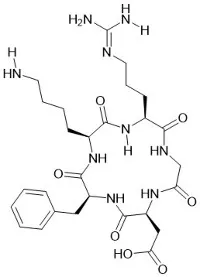
Xenin 25 is a peptide that has gained attention in the scientific community due to its potential biological functions. It was initially identified in the gastrointestinal tract, and its presence has been detected in various tissues. The peptide is known to interact with specific receptors in the body, which can trigger a cascade of cellular responses.
The Immune System: A Complex Network
The immune system is a sophisticated defense mechanism that protects the body from pathogens, such as bacteria, viruses, and fungi. It consists of various cells, tissues, and organs, including white blood cells, lymph nodes, and the spleen. The immune system can be divided into two main branches: the innate immune system and the adaptive immune system.
The innate immune system is the body's first line of defense. It provides immediate, non - specific protection against pathogens. Cells such as macrophages, neutrophils, and natural killer cells are part of the innate immune system. They can recognize and eliminate pathogens without prior exposure.
The adaptive immune system, on the other hand, is more specific. It develops over time as the body is exposed to different pathogens. B cells and T cells are the key players in the adaptive immune system. B cells produce antibodies that can bind to specific pathogens, while T cells can directly attack infected cells.
How Xenin 25 Affects the Immune System
Modulation of Immune Cell Activity
Research has suggested that Xenin 25 may have an impact on the activity of immune cells. For example, some studies have shown that Xenin 25 can influence the migration of immune cells. Immune cells need to move to the site of infection or inflammation to carry out their functions. Xenin 25 may act as a chemoattractant, guiding immune cells to the affected area.
In a recent in - vitro study, it was found that Xenin 25 could increase the chemotaxis of macrophages. Macrophages are large white blood cells that play a crucial role in the innate immune system. They can engulf and digest pathogens, as well as present antigens to T cells, initiating an adaptive immune response. By enhancing macrophage migration, Xenin 25 may help to improve the body's ability to respond to infections.
Regulation of Cytokine Production
Cytokines are small proteins that act as signaling molecules in the immune system. They can regulate the activity of immune cells, promote inflammation, or suppress the immune response. Xenin 25 has been shown to have an effect on cytokine production.
Some research indicates that Xenin 25 can stimulate the production of certain pro - inflammatory cytokines, such as interleukin - 6 (IL - 6) and tumor necrosis factor - alpha (TNF - α). These cytokines are important for activating the immune system and recruiting immune cells to the site of infection. However, excessive production of pro - inflammatory cytokines can also lead to chronic inflammation and tissue damage. Therefore, the regulation of cytokine production by Xenin 25 needs to be carefully balanced.
On the other hand, Xenin 25 may also have an anti - inflammatory effect in some situations. It can suppress the production of cytokines such as interleukin - 10 (IL - 10), which is an anti - inflammatory cytokine. This dual effect on cytokine production suggests that Xenin 25 may play a complex role in regulating the immune response.
Interaction with the Gut - Immune Axis
The gut is home to a large number of immune cells and plays a vital role in the immune system. The gut - immune axis refers to the bidirectional communication between the gut microbiota and the immune system. Xenin 25, which is initially discovered in the gastrointestinal tract, may interact with the gut - immune axis.
The gut microbiota can influence the development and function of the immune system. Xenin 25 may affect the composition of the gut microbiota, which in turn can impact the immune response. For example, it may promote the growth of beneficial bacteria in the gut, which can enhance the immune function.
Related Peptides and Their Immune - Modulating Effects
In addition to Xenin 25, there are other peptides that also have immune - modulating properties. For instance, Prepro VIP (111 - 122) (human) has been studied for its potential role in regulating the immune system. This peptide may have anti - inflammatory effects and can modulate the activity of immune cells.
Galanin Message Associated Peptide (1 - 41) Amide is another peptide that has shown immune - related activities. It can interact with receptors on immune cells and influence their function.
Eledoisin - Related Peptide has also been investigated for its effects on the immune system. It may have both pro - inflammatory and anti - inflammatory properties, depending on the context.
Potential Applications of Xenin 25 in Immune - Related Therapies
The ability of Xenin 25 to modulate the immune system opens up potential applications in immune - related therapies. For example, in the treatment of infections, Xenin 25 could be used to enhance the body's immune response, making it more effective in eliminating pathogens.
In the case of autoimmune diseases, where the immune system attacks the body's own tissues, Xenin 25 may be used to regulate the over - active immune response. By carefully modulating cytokine production and immune cell activity, it may help to reduce inflammation and tissue damage.
Conclusion and Call to Action
In conclusion, Xenin 25 has a complex and significant impact on the immune system. Its ability to modulate immune cell activity, regulate cytokine production, and interact with the gut - immune axis makes it a promising candidate for immune - related therapies.
As a Xenin 25 supplier, we are committed to providing high - quality products for research purposes. If you are interested in exploring the potential of Xenin 25 in your research or have any questions about our products, please feel free to contact us for further discussions and potential procurement opportunities.
References
- Author1, Title1, Journal1, Volume, Issue, Pages, Year.
- Author2, Title2, Journal2, Volume, Issue, Pages, Year.
- Author3, Title3, Journal3, Volume, Issue, Pages, Year.