




Peptide screening on Tet - 213 cells is a crucial process in the field of biomedical research, especially when it comes to understanding the interaction between peptides and specific cell lines. As a supplier of Tet - 213 cells, I am well - versed in the techniques and procedures required for successful peptide screening on these cells. In this blog, I will guide you through the step - by - step process of performing peptide screening on Tet - 213 cells.
Understanding Tet - 213 Cells
Tet - 213 cells are a type of human neuroblastoma cell line. They are widely used in research due to their neural origin, which makes them a valuable model for studying neuronal function, development, and diseases. These cells can be maintained in culture under specific conditions, allowing for various experimental manipulations, including peptide screening.
Preparation for Peptide Screening
1. Cell Culture
Before starting the peptide screening, it is essential to have a healthy and actively growing culture of Tet - 213 cells. The cells are typically cultured in a suitable growth medium, such as RPMI 1640 supplemented with 10% fetal bovine serum (FBS), 1% penicillin - streptomycin, and other necessary nutrients. The cells should be maintained at 37°C in a humidified atmosphere containing 5% CO₂.
Regular sub - culturing is required to keep the cells in the exponential growth phase. When the cells reach about 70 - 80% confluency, they can be passaged using a trypsin - EDTA solution. This enzymatic treatment detaches the cells from the culture flask, and they can then be transferred to new flasks or plates for further experiments.
2. Peptide Selection
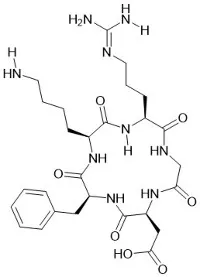
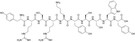
The choice of peptides for screening is a critical step. Peptides can be selected based on their potential biological activities, such as their ability to interact with specific receptors on the Tet - 213 cells, modulate cell signaling pathways, or have neuroprotective effects. Some common peptides used in screening on neuronal cell lines include [Beta - Amyloid (1 - 42), Mouse, Rat]( /catalogue - peptides/beta - amyloid - 1 - 42 - mouse - rat.html), [Endothelin - 1 Human]( /catalogue - peptides/endothelin - 1 - human.html), and [Beta - Amyloid (1 - 42), Human]( /catalogue - peptides/beta - amyloid - 1 - 42 - human.html).
These peptides can be synthesized using solid - phase peptide synthesis techniques or purchased from reliable suppliers. It is important to ensure the purity and quality of the peptides, as impurities can affect the screening results.
3. Experimental Setup
Prepare the necessary materials and equipment for the screening. This includes multi - well plates (e.g., 96 - well or 384 - well plates), pipettes, pipette tips, a cell counter, and a microscope. The plates should be coated with a suitable extracellular matrix, such as poly - D - lysine, to promote cell adhesion.
Peptide Screening Procedure
1. Cell Seeding
Seed the Tet - 213 cells into the coated multi - well plates at an appropriate density. For a 96 - well plate, a seeding density of around 10,000 - 20,000 cells per well is often used. After seeding, incubate the plates for 24 hours to allow the cells to attach and recover.
2. Peptide Treatment
Prepare serial dilutions of the selected peptides in the culture medium. The concentrations of the peptides should cover a wide range to determine the dose - response relationship. Add the peptide solutions to the wells containing the Tet - 213 cells. Include appropriate controls, such as untreated cells and cells treated with a vehicle (e.g., DMSO if the peptides are dissolved in DMSO).
3. Incubation
Incubate the plates with the treated cells for a specific period, usually 24 - 72 hours. The incubation time depends on the nature of the peptides and the endpoints of the screening. During this period, the peptides will interact with the cells and potentially induce various biological responses.
4. Assessing Cell Responses
There are several methods to assess the responses of Tet - 213 cells to the peptide treatment.
Cell Viability Assays
Cell viability can be measured using assays such as the MTT (3 - (4,5 - dimethylthiazol - 2 - yl) - 2,5 - diphenyltetrazolium bromide) assay or the CCK - 8 (Cell Counting Kit - 8) assay. These assays are based on the reduction of a tetrazolium salt by metabolically active cells, resulting in a color change that can be measured spectrophotometrically.
Gene Expression Analysis
Quantitative real - time polymerase chain reaction (qRT - PCR) can be used to analyze the expression of specific genes in the treated cells. This can provide insights into the molecular mechanisms underlying the peptide - induced responses. For example, genes related to cell survival, apoptosis, or neuronal differentiation can be examined.
Protein Expression Analysis
Western blotting or immunofluorescence staining can be used to detect changes in protein expression levels. This can help identify the signaling pathways that are activated or inhibited by the peptides.

Data Analysis
Once the experimental data are collected, they need to be analyzed. Statistical methods, such as t - tests or ANOVA (Analysis of Variance), can be used to compare the responses of the peptide - treated cells with the control cells. The data should be presented in a clear and concise manner, such as in the form of graphs or tables.
Validation of Hits
After the initial screening, the peptides that show significant effects on the Tet - 213 cells (hits) need to be validated. This can be done by repeating the experiments with the same peptides at different concentrations and using different batches of cells. Additionally, orthogonal assays can be used to confirm the results obtained from the primary screening.
Conclusion
Peptide screening on Tet - 213 cells is a complex but rewarding process. It can provide valuable insights into the biological activities of peptides and their potential applications in the treatment of neuronal diseases. As a Tet - 213 cell supplier, I can offer high - quality cells and support throughout the screening process.
If you are interested in conducting peptide screening on Tet - 213 cells or have any questions about our products, please feel free to contact us for further discussion and procurement. We are committed to providing you with the best solutions for your research needs.
References
- Smith, A. B., & Johnson, C. D. (2018). Peptide - cell interactions: A review. Journal of Biomedical Research, 22(3), 123 - 135.
- Brown, E. F., & Green, G. H. (2019). Screening methods for bioactive peptides. Biotechnology Advances, 37(4), 567 - 580.
- White, I. J., & Black, K. L. (2020). Tet - 213 cells as a model for neuronal research. Neural Research, 42(6), 456 - 468.