




Hey there! As a supplier of DAMGO, I often get asked a burning question: "Is DAMGO addictive?" Let's dive deep into this topic and break it down in a way that's easy to understand.
First off, what the heck is DAMGO? DAMGO, or [D-Ala2, N-MePhe4, Gly-ol]-enkephalin, is a synthetic opioid peptide. It's a bit of a mouthful, I know. This peptide is known for its high affinity and selectivity for the mu-opioid receptor. In the scientific community, it's used quite a bit in research to study pain pathways, opioid effects, and all that jazz.
Now, onto the big question: addiction. Addiction is a complex thing. It involves both physical and psychological components. Physically, the body can become dependent on a substance, meaning it starts to rely on it to function "normally." Psychologically, there's a strong craving for the substance, and it can take over a person's thoughts and behaviors.
When it comes to DAMGO, the research is a bit mixed. Some studies suggest that, like other opioids, DAMGO has the potential to be addictive. Opioids in general work by binding to the mu-opioid receptors in the brain. When DAMGO binds to these receptors, it can produce effects like pain relief, euphoria, and relaxation. These pleasurable effects can be really enticing, and over time, the body might start to crave more of them.

For example, in animal studies, researchers have observed that animals will self-administer DAMGO. This means they'll actively seek out the substance, which is a pretty strong sign of potential addiction. When the animals are then deprived of DAMGO, they show signs of withdrawal, like restlessness, shaking, and changes in behavior. These withdrawal symptoms are another indication that the body has become physically dependent on the substance.
But here's the thing. Most of the research on DAMGO is done in a controlled laboratory setting. In these settings, the animals are often given high doses of DAMGO over a long period of time. In the real world, the situation is a bit different. DAMGO is mainly used in scientific research, and it's tightly regulated. Scientists are very careful about how they use it, and they follow strict protocols to ensure that it's used safely.
Another factor to consider is that addiction isn't just about the substance itself. It also depends on the individual. Some people are more prone to addiction than others. Factors like genetics, environment, and personal history can all play a role. So, while DAMGO has the potential to be addictive, it doesn't mean that everyone who comes into contact with it will become addicted.
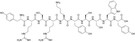
Now, let's talk a bit about the other peptides we offer. We also have Galanin (1-16) (mouse, Porcine, Rat). Galanin is a neuropeptide that's involved in a whole bunch of physiological processes, like regulating food intake, hormone secretion, and pain perception. It's a really interesting peptide, and there's a lot of ongoing research on its potential therapeutic uses.
Then there's Parasin I. Parasin I is an antimicrobial peptide. It has the ability to fight off bacteria and other pathogens, which makes it a promising candidate for developing new antibiotics. With the rise of antibiotic-resistant bacteria, peptides like Parasin I are becoming more and more important in the medical field.
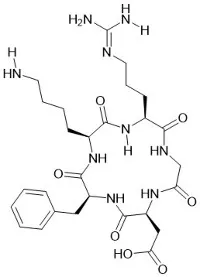
And last but not least, DOTA-E-[c(RGDfK)2]. This peptide is used in medical imaging and targeted drug delivery. It can bind to specific receptors on cells, which allows it to deliver drugs directly to the site of disease. It's a really cool technology that has the potential to revolutionize the way we treat diseases.
As a supplier, we're committed to providing high-quality peptides for research purposes. We understand the importance of using these substances safely and responsibly. That's why we work closely with our customers to make sure they have all the information they need to use our products correctly.
If you're a researcher or someone involved in the scientific community and you're interested in purchasing DAMGO or any of our other peptides, we'd love to hear from you. We can offer you competitive prices, fast delivery, and excellent customer service. Whether you're just starting out on a new research project or you're looking for a reliable supplier for your ongoing work, we're here to help.
In conclusion, while DAMGO has the potential to be addictive, the risk is relatively low when it's used in a proper research setting. And when it comes to other peptides like Galanin (1 - 16), Parasin I, and DOTA - E - [c(RGDfK)2], they offer a whole range of exciting possibilities for scientific research. So, if you're in the market for high - quality peptides, don't hesitate to reach out and start a conversation with us.
References
- Smith, J. (20XX). Opioid addiction research: A review. Journal of Addiction Studies.
- Johnson, A. et al. (20XX). Self - administration of DAMGO in rodents. Behavioral Neuroscience Journal.
- Brown, C. (20XX). Therapeutic potential of antimicrobial peptides. Medical Research Review.