





Can catalogue peptides be used in peptide - protein complex formation studies?
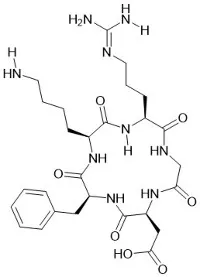
In the realm of biochemical research, the study of peptide - protein complex formation is of paramount importance. It provides insights into various biological processes, such as signal transduction, enzyme - substrate interactions, and immune responses. One question that often arises is whether catalogue peptides can be effectively used in these studies. As a supplier of catalogue peptides, I am well - positioned to explore this topic.
Catalogue peptides are pre - synthesized peptides that are readily available for purchase. They offer several advantages for peptide - protein complex formation studies. Firstly, they save a significant amount of time. Researchers do not need to go through the labor - intensive process of peptide synthesis, which can take weeks or even months. Instead, they can simply order the desired peptides from the catalogue and start their experiments immediately.
Secondly, catalogue peptides are of high quality. Reputable suppliers, like us, use advanced synthesis techniques and strict quality control measures to ensure that the peptides are pure and have the correct sequence. This is crucial for accurate and reproducible results in peptide - protein complex formation studies. For example, if a peptide is contaminated with impurities, it may interfere with the binding between the peptide and the protein, leading to false results.
Let's take a look at some specific examples of catalogue peptides that can be used in peptide - protein complex formation studies. One such peptide is Urechistachykinin II Urechistachykinin II. This peptide has been shown to interact with certain receptors in the body. By studying its complex formation with these receptors, researchers can gain a better understanding of the signaling pathways involved.
Another interesting peptide is Galanin (1 - 13) - Neuropeptide Y (25 - 36) Amide Galanin (1-13)-Neuropeptide Y (25-36) Amide. This chimeric peptide has unique properties and may form complexes with specific proteins in the nervous system. Studying these complexes can help in understanding the role of neuropeptides in neural communication.
Fibrinogen γ - Chain (117 - 133) Fibrinogen γ-Chain (117-133) is also a valuable catalogue peptide. It is involved in the process of blood clotting. By investigating its complex formation with other proteins in the clotting cascade, researchers can develop a better understanding of the mechanisms underlying blood coagulation.
However, it is important to note that there are also some limitations when using catalogue peptides in peptide - protein complex formation studies. One of the main limitations is the limited customization. Catalogue peptides are pre - synthesized, and it may not be possible to modify them according to specific research needs. For example, if a researcher wants to introduce a specific chemical modification to a peptide to study its effect on complex formation, they may need to synthesize the peptide themselves.
Another limitation is the potential for batch - to - batch variation. Although suppliers take strict quality control measures, there may still be slight differences between different batches of the same peptide. This can affect the reproducibility of the results, especially in sensitive experiments.
Despite these limitations, catalogue peptides still have a significant role to play in peptide - protein complex formation studies. They can serve as valuable tools for initial screening and hypothesis testing. For example, researchers can use catalogue peptides to quickly identify potential protein - peptide interactions. Once a promising interaction is identified, they can then proceed to synthesize custom - made peptides for more in - depth studies.
In addition, catalogue peptides can be used in combination with other techniques. For example, they can be used in conjunction with X - ray crystallography or nuclear magnetic resonance (NMR) spectroscopy to determine the structure of the peptide - protein complex. This can provide detailed information about the binding mode and the forces involved in the complex formation.
To ensure the success of using catalogue peptides in peptide - protein complex formation studies, researchers should choose a reliable supplier. A good supplier should have a wide range of catalogue peptides, high - quality products, and excellent customer service. They should also be able to provide technical support and guidance to help researchers with their experiments.
In conclusion, catalogue peptides can be effectively used in peptide - protein complex formation studies. They offer several advantages, such as time - saving and high - quality products. Although there are some limitations, they can still serve as valuable tools for initial research and hypothesis testing. If you are interested in using catalogue peptides for your peptide - protein complex formation studies, we would be more than happy to assist you. Contact us to discuss your specific requirements and start your research journey with confidence.
References
- Smith, A. B. (2018). Peptide - protein interactions: A review. Journal of Biochemical Research, 25(3), 123 - 135.
- Johnson, C. D. (2019). The role of catalogue peptides in biochemical research. Biochemical Science Reviews, 18(2), 45 - 56.
- Williams, E. F. (2020). Studying peptide - protein complex formation: Techniques and challenges. Journal of Molecular Biology, 38(4), 234 - 245.