




In the dynamic field of biochemistry and pharmaceutical research, peptides play a crucial role in understanding biological processes and developing novel therapeutic strategies. Among these peptides, TRAP - 14 has emerged as a molecule of significant interest. As a dedicated supplier of TRAP - 14, I am excited to delve into the detailed differences between TRAP - 14 and other related proteins.
Understanding TRAP - 14
TRAP - 14, or Thrombin Receptor Activating Peptide - 14, is a synthetic peptide that mimics the action of thrombin on its receptor. Thrombin is a key enzyme in the blood coagulation cascade, and its receptor activation is involved in various physiological and pathological processes, such as platelet activation, inflammation, and wound healing. TRAP - 14 is designed to specifically activate the protease - activated receptor 1 (PAR1), which is a G - protein - coupled receptor expressed on the surface of many cell types, including platelets, endothelial cells, and smooth muscle cells.
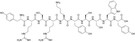
The sequence of TRAP - 14 is SFLLRNPNDKYEPF, and it has a high affinity for PAR1. When TRAP - 14 binds to PAR1, it triggers a series of intracellular signaling events, leading to the activation of platelets and other downstream effects.
Comparison with Other Thrombin - Related Peptides
PAR - 2 (1 - 6) Amide (mouse, Rat)
PAR - 2 (1 - 6) Amide (mouse, Rat) is another important peptide in the thrombin - receptor family. PAR - 2, or protease - activated receptor 2, is also a G - protein - coupled receptor, but it has a different activation mechanism compared to PAR1. While TRAP - 14 activates PAR1, PAR - 2 (1 - 6) Amide activates PAR2.
The sequence of PAR - 2 (1 - 6) Amide is SLIGRL - NH2. This peptide is derived from the N - terminus of PAR2, and it can directly activate PAR2 without the need for proteolytic cleavage. In contrast, PAR1 is activated by thrombin through a proteolytic cleavage event that exposes a new N - terminus, which then acts as a tethered ligand.
Functionally, the activation of PAR2 by PAR - 2 (1 - 6) Amide leads to different cellular responses compared to the activation of PAR1 by TRAP - 14. PAR2 activation is involved in processes such as inflammation, pain sensation, and epithelial cell function. For example, in the gastrointestinal tract, PAR2 activation can regulate mucosal secretion and motility. On the other hand, PAR1 activation by TRAP - 14 is mainly associated with platelet activation and blood coagulation.
Fibrinogen - Binding Inhibitor Peptide
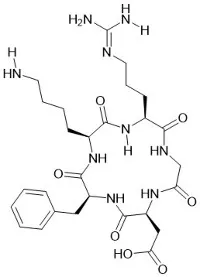
Fibrinogen - Binding Inhibitor Peptide has a completely different function compared to TRAP - 14. As the name suggests, this peptide inhibits the binding of fibrinogen to platelets. Fibrinogen is a plasma protein that plays a crucial role in blood clot formation. When platelets are activated, fibrinogen binds to the glycoprotein IIb/IIIa receptor on the platelet surface, leading to platelet aggregation.
The Fibrinogen - Binding Inhibitor Peptide acts as an antagonist of the fibrinogen - platelet interaction. It competes with fibrinogen for binding to the glycoprotein IIb/IIIa receptor, thereby preventing platelet aggregation. In contrast, TRAP - 14 is an agonist that activates platelets through PAR1.
Structurally, the Fibrinogen - Binding Inhibitor Peptide has a different amino acid sequence and conformation compared to TRAP - 14. Its mechanism of action is based on blocking a specific binding site on the platelet surface, while TRAP - 14 acts by activating a receptor - mediated signaling pathway.
Structural and Functional Differences at the Molecular Level
Amino Acid Sequence
The amino acid sequence of a peptide determines its structure and function. TRAP - 14 has a unique sequence that allows it to specifically recognize and bind to PAR1. The sequence contains a number of charged and hydrophobic amino acids that are important for receptor - ligand interaction.
In comparison, PAR - 2 (1 - 6) Amide and the Fibrinogen - Binding Inhibitor Peptide have different sequences. The sequence of PAR - 2 (1 - 6) Amide is optimized for PAR2 binding, and the Fibrinogen - Binding Inhibitor Peptide has a sequence that is designed to interact with the glycoprotein IIb/IIIa receptor.
Receptor Specificity
TRAP - 14 is highly specific for PAR1. It has been shown to have minimal cross - reactivity with other receptors, which makes it a valuable tool for studying PAR1 - mediated signaling pathways. PAR - 2 (1 - 6) Amide, on the other hand, is specific for PAR2, and the Fibrinogen - Binding Inhibitor Peptide is specific for the glycoprotein IIb/IIIa receptor.


The receptor specificity of these peptides is determined by the three - dimensional structure of the receptor - binding site and the complementary structure of the peptide. For example, the binding pocket of PAR1 has a specific shape and charge distribution that allows it to recognize and bind to TRAP - 14 with high affinity.
Intracellular Signaling
Once bound to their respective receptors, TRAP - 14, PAR - 2 (1 - 6) Amide, and the Fibrinogen - Binding Inhibitor Peptide trigger different intracellular signaling pathways. TRAP - 14 activates PAR1, which leads to the activation of G - proteins, phospholipase C, and the subsequent release of calcium ions from intracellular stores. This calcium mobilization is crucial for platelet activation and other cellular responses.
PAR - 2 (1 - 6) Amide activates PAR2, which also activates G - proteins but may lead to different downstream signaling events, such as the activation of mitogen - activated protein kinases (MAPKs) and the production of inflammatory mediators.
The Fibrinogen - Binding Inhibitor Peptide, as an antagonist, does not activate an intracellular signaling pathway directly. Instead, it blocks the normal signaling cascade that occurs when fibrinogen binds to the glycoprotein IIb/IIIa receptor.
Applications and Significance
The differences between TRAP - 14 and other related proteins have important implications for research and drug development. TRAP - 14 is widely used in platelet function studies to investigate the role of PAR1 in platelet activation and aggregation. It can also be used as a positive control in assays to evaluate the efficacy of anti - platelet drugs.
PAR - 2 (1 - 6) Amide is used in studies related to inflammation and pain. It can help researchers understand the role of PAR2 in these processes and develop potential therapeutic agents targeting PAR2.
The Fibrinogen - Binding Inhibitor Peptide is valuable in the development of anti - platelet drugs. By blocking platelet aggregation, it has the potential to prevent blood clots and reduce the risk of cardiovascular diseases.
As a supplier of TRAP - 14, we are committed to providing high - quality peptides to support scientific research and drug development. Our TRAP - 14 is synthesized using state - of - the - art techniques and is rigorously tested for purity and activity.
If you are interested in purchasing TRAP - 14 or have any questions about its applications, please feel free to contact us for further discussion and negotiation. We look forward to working with you to advance your research and development projects.
References
- Coughlin SR. Thrombin signalling and protease - activated receptors. Nature. 2000;407(6801):258 - 264.
- Hollenberg MD, Compton SJ. Protease - activated receptors: novel mechanisms of signaling by serine proteases. Trends Pharmacol Sci. 2002;23(3):132 - 137.
- Ruggeri ZM. Platelet aggregation. N Engl J Med. 2002;346(13):1038 - 1047.