




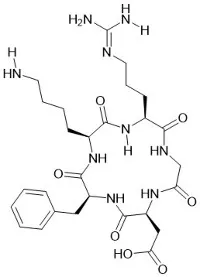
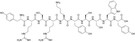
When dealing with the issue of disposing of unused DAMGO after purchase, as a DAMGO supplier, I understand the importance of handling this matter in a scientific and responsible manner. DAMGO, or [D-Ala2,N-Me-Phe4,Gly-ol5]-enkephalin, is a synthetic opioid peptide that has significant pharmacological effects and potential risks. Therefore, proper disposal is crucial to ensure safety and environmental protection.
Understanding DAMGO
DAMGO is a highly potent mu-opioid receptor agonist. It is commonly used in scientific research to study the opioid receptor system, pain pathways, and related physiological and pathological processes. Due to its opioid - like properties, it is subject to strict regulations similar to other controlled substances. When purchasing DAMGO, researchers and institutions usually have a clear purpose for its use. However, there may be situations where some DAMGO remains unused, such as changes in research plans, over - estimation of the required quantity, or unexpected experimental results.
Regulatory Requirements
Before discussing the disposal methods, it is essential to be aware of the relevant regulations. In most countries and regions, DAMGO is classified as a controlled substance because of its potential for abuse and its impact on public health and safety. For example, in the United States, the Drug Enforcement Administration (DEA) has strict rules regarding the storage, use, and disposal of controlled substances. These regulations are designed to prevent the diversion of such substances into illegal channels and to protect the environment from potential contamination.
Disposal Methods
Incineration
One of the most effective ways to dispose of unused DAMGO is through incineration. Incineration can completely destroy the chemical structure of DAMGO, eliminating its pharmacological activity and reducing the risk of environmental pollution. However, this method requires specialized incineration facilities that are equipped to handle controlled substances safely. These facilities must meet strict environmental and safety standards to ensure that the incineration process does not release harmful by - products into the atmosphere.
When using incineration for disposal, it is necessary to follow a series of procedures. First, the DAMGO should be properly packaged in a sealed container to prevent leakage during transportation. Then, it should be transported to the authorized incineration facility by a licensed carrier. The facility will conduct a series of inspections and analyses before incineration to ensure that the substance is indeed DAMGO and that it is safe to incinerate.
Chemical Degradation
Another option is chemical degradation. This method involves using specific chemical reagents to break down the DAMGO molecule. For example, some oxidizing agents can react with DAMGO and convert it into less harmful substances. However, chemical degradation requires a high level of expertise and strict laboratory conditions. The reaction must be carefully controlled to ensure that the degradation process is complete and that no toxic by - products are generated.
Before performing chemical degradation, it is necessary to conduct a small - scale experiment to determine the appropriate reaction conditions. The reaction should be carried out in a well - ventilated fume hood to prevent the inhalation of any potentially harmful gases. After the reaction is complete, the resulting solution should be analyzed to confirm that the DAMGO has been completely degraded.
Return to the Supplier
As a DAMGO supplier, we also offer the option of returning unused DAMGO to us. We have established a strict return and disposal process to ensure the safety and legality of the entire procedure. When customers choose to return unused DAMGO, they need to contact our customer service department first. We will provide them with detailed instructions on how to package and transport the substance.
Once the DAMGO is returned to us, we will conduct a series of inspections to verify its identity and quantity. Then, we will dispose of it using the appropriate methods, such as incineration or chemical degradation. This option not only provides a convenient solution for customers but also helps to ensure that the DAMGO is disposed of in a responsible manner.
Environmental Considerations
Regardless of the disposal method chosen, environmental protection is a key concern. Improper disposal of DAMGO can lead to contamination of soil, water, and air. For example, if DAMGO is dumped into the environment without proper treatment, it can enter the water supply and have a negative impact on aquatic life. It can also accumulate in the food chain, posing a potential threat to human health.
Therefore, when disposing of DAMGO, it is necessary to minimize the environmental impact. This can be achieved by choosing the most appropriate disposal method and following all relevant environmental regulations. For example, when using chemical degradation, the resulting waste should be treated to remove any remaining chemicals before being discharged into the environment.
Importance of Documentation
Throughout the disposal process, proper documentation is essential. This includes records of the quantity of DAMGO being disposed of, the disposal method used, the date of disposal, and the names and signatures of the personnel involved. Documentation not only helps to ensure compliance with regulations but also provides a traceable record in case of any future inquiries or audits.
Other Related Peptides
In addition to DAMGO, we also supply other peptides such as Prepro - TRH (178 - 199), Urocortin III (human), and SCPA Peptide. These peptides also have their own unique properties and applications in scientific research. Similar to DAMGO, proper handling and disposal of these peptides are also crucial to ensure safety and environmental protection.
Conclusion
In conclusion, the best way to dispose of unused DAMGO depends on various factors, including regulatory requirements, available resources, and environmental considerations. Incineration, chemical degradation, and returning to the supplier are all viable options, each with its own advantages and disadvantages. As a DAMGO supplier, we are committed to providing our customers with high - quality products and professional guidance on the proper handling and disposal of DAMGO.
If you are interested in purchasing DAMGO or any of our other peptides, or if you have any questions regarding the disposal of unused substances, please feel free to contact us. We look forward to establishing a long - term and mutually beneficial cooperation with you.
References
- Drug Enforcement Administration. (20XX). Regulations on the storage, use, and disposal of controlled substances.
- International Union of Pure and Applied Chemistry. (20XX). Guidelines for the safe handling and disposal of chemical substances.
- Scientific Research Institute. (20XX). Studies on the environmental impact of peptide disposal.