




Hey there! As a supplier of cosmetic peptides, I've been getting tons of questions about how these little guys can help reduce fine lines. So, I thought I'd sit down and share everything I know about the function of cosmetic peptides in tackling those pesky wrinkles.
First off, let's talk about what peptides actually are. Peptides are short chains of amino acids, which are the building blocks of proteins. In our skin, proteins like collagen and elastin are super important for keeping it looking firm, plump, and youthful. But as we age, the production of these proteins starts to slow down, and that's when fine lines and wrinkles start to appear.
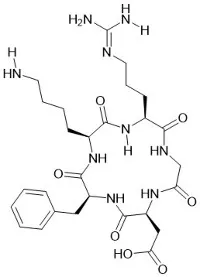
Cosmetic peptides work their magic by mimicking the natural peptides in our skin and triggering a response that helps boost collagen and elastin production. They can also help improve skin texture, reduce inflammation, and even protect against environmental damage. Let's take a closer look at some of the specific functions of cosmetic peptides in reducing fine lines.
Stimulating Collagen Production
Collagen is like the scaffolding of our skin. It gives it structure and support, keeping it looking smooth and firm. But as we get older, our collagen levels start to decline, leading to the formation of fine lines and wrinkles. That's where cosmetic peptides come in.
Certain peptides, like Palmitoyl Tetrapeptide - 10, have been shown to stimulate collagen production. They do this by sending signals to the fibroblasts in our skin, which are the cells responsible for making collagen. When these fibroblasts receive the signal from the peptide, they start churning out more collagen, helping to fill in those fine lines and restore the skin's elasticity.
Improving Elasticity
Elastin is another important protein in our skin. It gives our skin the ability to stretch and then bounce back into place. Just like collagen, elastin production decreases as we age, which can lead to sagging skin and more noticeable fine lines.
Peptides such as Tripeptide - 29 can help improve skin elasticity. They work by promoting the synthesis of elastin fibers, making the skin more resilient and better able to maintain its shape. This can help reduce the appearance of fine lines and give the skin a more youthful, lifted look.
Reducing Inflammation
Inflammation can play a big role in the aging process. It can damage the skin's cells and tissues, leading to the breakdown of collagen and elastin. This, in turn, can contribute to the formation of fine lines and wrinkles.
Some cosmetic peptides have anti - inflammatory properties. For example, Acetyl Tetrapeptide - 5 can help reduce inflammation in the skin. By calming down the inflammatory response, these peptides can protect the skin from further damage and promote a healthier, more youthful complexion.
Protecting Against Oxidative Stress
Oxidative stress is caused by free radicals, which are unstable molecules that can damage our cells. Free radicals can come from a variety of sources, including pollution, UV radiation, and smoking. When our skin is exposed to oxidative stress, it can lead to the breakdown of collagen and elastin, and the formation of fine lines.
Certain peptides have antioxidant properties, which means they can neutralize free radicals and protect the skin from oxidative damage. By doing so, they help maintain the integrity of the skin's proteins and reduce the appearance of fine lines.
How to Use Cosmetic Peptides
Now that you know how cosmetic peptides work to reduce fine lines, you might be wondering how to incorporate them into your skincare routine. The good news is that there are plenty of skincare products on the market that contain peptides. You can find them in serums, creams, and even masks.
When choosing a peptide - containing product, look for one that has a high concentration of the specific peptides you're interested in. And make sure to follow the instructions on the product label. Generally, you'll want to apply the product to clean, dry skin and massage it in gently until it's fully absorbed.
It's also important to be patient. Peptides work gradually, and it may take several weeks or even months to see noticeable results. But if you stick with it, you should start to notice a reduction in the appearance of fine lines and a more youthful - looking complexion.
Our Cosmetic Peptide Offerings
As a supplier of cosmetic peptides, we offer a wide range of high - quality peptides that are specifically formulated to target fine lines and other signs of aging. Our peptides are sourced from the best suppliers and are rigorously tested to ensure their safety and effectiveness.
Whether you're a skincare brand looking to develop a new peptide - based product or an individual looking to add a peptide serum to your routine, we've got you covered. We can provide you with the peptides you need in the quantities you require, and we're always happy to answer any questions you might have about our products.
Why Choose Our Cosmetic Peptides
There are a few reasons why you should choose our cosmetic peptides. First of all, our peptides are of the highest quality. We work with trusted suppliers and use strict quality control measures to ensure that our products meet the highest standards.
Secondly, we offer competitive pricing. We understand that cost is an important factor, especially for skincare brands. That's why we strive to keep our prices as low as possible without compromising on quality.
Finally, we have a great customer service team. We're always here to help you with any questions or concerns you might have. Whether you need advice on which peptide to choose or help with placing an order, we're just a phone call or an email away.
Contact Us for More Information
If you're interested in learning more about our cosmetic peptides or if you're ready to place an order, don't hesitate to contact us. We'd love to have a chat with you and discuss how our peptides can help you achieve your skincare goals. Whether you're looking to reduce fine lines, improve skin elasticity, or just give your skin a boost, our cosmetic peptides can make a difference.
So, what are you waiting for? Get in touch with us today and let's start working together to create the perfect skincare solution for you.
References
- Alberts, B., Johnson, A., Lewis, J., Raff, M., Roberts, K., & Walter, P. (2002). Molecular Biology of the Cell. Garland Science.
- Guyton, A. C., & Hall, J. E. (2006). Textbook of Medical Physiology. Elsevier Saunders.
- Bissett, D. L., Sun, P. Y., & Orr, D. E. (1990). Topical vitamin C and skin: mechanism of action and clinical applications. Dermatologic Surgery, 16(3), 237 - 244.