




Tuftsin is a well - recognized bioactive tetrapeptide with a rich history of research and numerous potential applications in the field of medicine and immunology. As a reliable supplier of Tuftsin, I am often asked about its molecular weight and other relevant scientific details. In this blog, I will delve into the molecular weight of Tuftsin, its structure, and its significance in various biological processes.
Understanding the Structure of Tuftsin
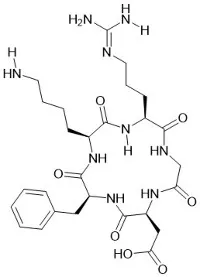
Tuftsin has a simple yet functionally significant structure. It is composed of four amino acids: threonine (Thr), lysine (Lys), proline (Pro), and arginine (Arg). The sequence of these amino acids is Thr - Lys - Pro - Arg. Each amino acid contributes to the overall properties and functions of the peptide.
To calculate the molecular weight of Tuftsin, we need to know the molecular weights of its individual amino acids:
- Threonine (Thr): The molecular weight of threonine is approximately 119.12 g/mol.
- Lysine (Lys): Lysine has a molecular weight of about 146.19 g/mol.
- Proline (Pro): Proline's molecular weight is around 115.13 g/mol.
- Arginine (Arg): Arginine has a molecular weight of approximately 174.20 g/mol.
When calculating the molecular weight of a peptide, we also need to account for the formation of peptide bonds. A peptide bond is formed through a condensation reaction between the carboxyl group of one amino acid and the amino group of another, with the elimination of a water molecule (H₂O, molecular weight = 18.02 g/mol). Since Tuftsin is a tetrapeptide, there are three peptide bonds formed, meaning three water molecules are eliminated during its synthesis.
The total molecular weight of the four amino acids in Tuftsin is (119.12+146.19 + 115.13+174.20=554.64) g/mol. The total molecular weight of the three eliminated water molecules is (3\times18.02 = 54.06) g/mol.
Therefore, the molecular weight of Tuftsin is (554.64 - 54.06=500.58) g/mol.
Biological Significance of Tuftsin
Tuftsin has been the subject of extensive research due to its important immunomodulatory functions. It was first discovered in the 1970s and has since been shown to enhance the phagocytic activity of macrophages and neutrophils, which are key components of the innate immune system. Macrophages and neutrophils are responsible for engulfing and destroying pathogens, such as bacteria and viruses. Tuftsin can increase their ability to recognize, ingest, and kill these foreign invaders, thereby strengthening the body's immune response.
In addition to its immunomodulatory effects, Tuftsin has also been investigated for its potential in cancer therapy. Some studies have suggested that Tuftsin can enhance the anti - tumor activity of immune cells, making it a promising candidate for adjuvant cancer treatments. It may also have applications in wound healing, as it can stimulate the migration and proliferation of fibroblasts, which are important for tissue repair.
Comparison with Other Peptides
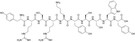
In the world of peptides, there are many other molecules with diverse functions and properties. For example, Dynorphin A (1 - 10) Amide is an opioid peptide that has been studied for its role in pain modulation and neurological functions. Its structure and molecular weight are quite different from those of Tuftsin, which reflects its distinct biological activities.
Another peptide is 6×His Peptide. This peptide is commonly used in protein purification techniques due to its ability to bind to metal ions. Its simple structure, consisting of six histidine residues, gives it unique biochemical properties that are useful in laboratory settings.


Ecdysis - Triggering Hormone (Manduca Sexta) is a peptide involved in the ecdysis process in insects. It plays a crucial role in regulating the molting and development of insects, and its molecular weight and structure are tailored to its specific physiological functions in the insect's body.
Quality Assurance as a Tuftsin Supplier
As a supplier of Tuftsin, we understand the importance of providing high - quality products. Our Tuftsin is synthesized using advanced peptide synthesis techniques, ensuring high purity and accurate molecular weight. We conduct rigorous quality control tests, including high - performance liquid chromatography (HPLC) and mass spectrometry, to verify the identity and purity of our Tuftsin.
Our production process adheres to strict quality management systems, and we source raw materials from reliable suppliers. This ensures that our customers receive Tuftsin that meets the highest standards of quality and consistency, whether they are conducting basic research in a laboratory or developing new therapeutic applications.
Purity and Stability of Tuftsin
Purity is a critical factor when it comes to peptides like Tuftsin. Impurities can affect the results of experiments and the effectiveness of potential therapies. Our Tuftsin typically has a purity of over 95%, which is achieved through careful purification steps during the synthesis process.
In terms of stability, Tuftsin is relatively stable under proper storage conditions. It should be stored at - 20°C to maintain its integrity. When reconstituted, it is recommended to use appropriate buffers and store the solution at 4°C for short - term use or at - 20°C for long - term storage. We provide detailed storage and handling instructions with each product to ensure that our customers can make the most of our Tuftsin.
Applications in Research and Medicine
Tuftsin has a wide range of applications in both basic research and clinical medicine. In basic research, it is used to study the mechanisms of immune cell activation and function. Researchers can use Tuftsin to investigate how immune cells recognize and respond to pathogens, which can lead to a better understanding of the immune system.
In clinical medicine, Tuftsin's immunomodulatory properties make it a potential candidate for treating various diseases. For example, it could be used to enhance the immune response in patients with immunodeficiency disorders or to improve the efficacy of cancer treatments. However, more research is needed to fully explore its therapeutic potential and to develop safe and effective treatment regimens.
Conclusion
In conclusion, the molecular weight of Tuftsin is approximately 500.58 g/mol, which is determined by the molecular weights of its constituent amino acids and the elimination of water molecules during peptide bond formation. Tuftsin's unique structure endows it with important immunomodulatory functions, making it a valuable molecule in both research and potential therapeutic applications.
As a reliable supplier of Tuftsin, we are committed to providing high - quality products that meet the needs of our customers. Whether you are a researcher looking to explore the biological functions of Tuftsin or a pharmaceutical company interested in developing new therapies, we can offer you the purest and most reliable Tuftsin on the market.
If you are interested in purchasing Tuftsin or have any questions about our products, please feel free to contact us. We are more than happy to discuss your specific requirements and assist you in your research or development projects.
References
- Najjar, V. A., & Nishioka, K. (1970). Tuftsin, a physiological activator of phagocytic cells. Proceedings of the National Academy of Sciences, 66(3), 728 - 733.
- Sulkowski, E., & Najjar, V. A. (1976). Tuftsin, a natural stimulator of phagocytosis. Annual Review of Biochemistry, 45, 783 - 814.
- Strzelec, A., & Stankiewicz, M. (2012). Immunomodulatory properties of tuftsin and its analogs. Peptides, 37, 31 - 37.