




Cardiovascular diseases (CVDs) remain a leading cause of morbidity and mortality worldwide. In recent years, there has been growing interest in the role of the immune system in the development and progression of CVDs. One peptide that has emerged as a potential player in this context is tuftsin. As a supplier of tuftsin, I am excited to explore the relationship between tuftsin and the immune system in patients with cardiovascular diseases.
Tuftsin: A Brief Overview
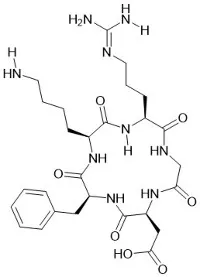
Tuftsin is a tetrapeptide with the amino acid sequence Thr - Lys - Pro - Arg. It was first discovered in the 1970s and has since been recognized for its immunomodulatory properties. Tuftsin is derived from the Fc fragment of immunoglobulin G (IgG) through a series of enzymatic cleavages. It is mainly produced in the spleen, although other tissues may also contribute to its synthesis.
The biological functions of tuftsin are diverse. It has been shown to enhance the phagocytic activity of macrophages and neutrophils, which are key components of the innate immune system. By promoting phagocytosis, tuftsin helps the body to clear pathogens, cellular debris, and other foreign substances. Additionally, tuftsin can stimulate the production of cytokines, such as interleukin - 1 (IL - 1), interleukin - 6 (IL - 6), and tumor necrosis factor - alpha (TNF - α), which play important roles in the immune response and inflammation.
The Immune System in Cardiovascular Diseases
The immune system is intricately involved in the pathogenesis of cardiovascular diseases. In the early stages of atherosclerosis, which is a major underlying cause of CVDs, monocytes are recruited to the arterial wall. These monocytes differentiate into macrophages, which then take up oxidized low - density lipoproteins (oxLDL) and form foam cells. The accumulation of foam cells in the arterial wall leads to the formation of fatty streaks, which can progress to atherosclerotic plaques over time.
Inflammation is a central feature of atherosclerosis. The immune cells in the atherosclerotic plaques, including macrophages, T lymphocytes, and mast cells, secrete various cytokines and chemokines that promote inflammation, cell proliferation, and matrix degradation. This chronic inflammatory state can lead to plaque instability, rupture, and subsequent thrombosis, which can cause acute cardiovascular events such as myocardial infarction and stroke.
The Role of Tuftsin in the Immune System of CVD Patients
Modulation of Phagocytosis
In patients with cardiovascular diseases, the phagocytic function of immune cells may be impaired. Oxidative stress, inflammation, and other factors associated with CVDs can affect the normal function of macrophages and neutrophils. Tuftsin can potentially restore and enhance the phagocytic activity of these cells. By increasing the ability of macrophages to engulf oxLDL and other debris in the arterial wall, tuftsin may help to prevent the formation and progression of atherosclerotic plaques.
Regulation of Inflammation
Tuftsin's ability to regulate cytokine production is also relevant in the context of CVDs. Inflammation is a double - edged sword in cardiovascular diseases. While a certain level of inflammation is necessary for the body's defense against pathogens and tissue repair, excessive and chronic inflammation can be harmful. Tuftsin may help to maintain a balanced inflammatory response by modulating the production of pro - inflammatory and anti - inflammatory cytokines. For example, it may promote the production of anti - inflammatory cytokines such as interleukin - 10 (IL - 10) while reducing the over - production of pro - inflammatory cytokines like TNF - α and IL - 6.
Immune Cell Activation and Recruitment
Tuftsin can activate immune cells and enhance their recruitment to the sites of inflammation. In the arterial wall, this may lead to a more efficient immune response against the atherosclerotic lesions. By attracting immune cells to the plaques, tuftsin may contribute to the clearance of abnormal cells and the resolution of inflammation.
Potential Therapeutic Applications
Given the potential beneficial effects of tuftsin on the immune system in patients with cardiovascular diseases, it holds promise as a therapeutic agent. Tuftsin - based therapies could be used to prevent the development of atherosclerosis, stabilize atherosclerotic plaques, and reduce the risk of acute cardiovascular events.
One possible approach is the direct administration of tuftsin. This could be in the form of peptide injections or oral formulations. Another strategy is to develop drugs that mimic the action of tuftsin or enhance its endogenous production.
Our Product Offerings
As a tuftsin supplier, we are committed to providing high - quality tuftsin products for research and potential therapeutic applications. In addition to tuftsin, we also offer a range of other peptides that may be relevant to the study of the immune system and cardiovascular diseases. For example, you can explore our SV40 Nuclear Transport Signal Peptide Analog, Flag Peptide, and Urechistachykinin II on our website.
Contact Us for Procurement
If you are interested in purchasing tuftsin or any of our other peptide products for your research or potential therapeutic development, we encourage you to contact us. Our team of experts is ready to assist you with your inquiries and provide you with detailed information about our products. We look forward to the opportunity to work with you and contribute to the advancement of cardiovascular disease research.


References
- Najjar, V. A., & Nishioka, K. (1970). Tuftsin, a phagocytosis - promoting tetrapeptide. Proceedings of the National Academy of Sciences, 66(3), 725 - 732.
- Libby, P., Ridker, P. M., & Hansson, G. K. (2011). Inflammation in atherosclerosis: from pathophysiology to practice. Journal of the American College of Cardiology, 58(19), 2135 - 2145.
- Ross, R. (1999). Atherosclerosis - an inflammatory disease. The New England Journal of Medicine, 340(2), 115 - 126.
- Mantovani, A., Sica, A., Sozzani, S., Allavena, P., Vecchi, A., & Locati, M. (2004). The chemokine system in diverse forms of macrophage activation and polarization. Trends in Immunology, 25(12), 677 - 686.