




Are catalogue peptides customizable? This is a question that many researchers and scientists often ask when they are looking for peptides to support their experiments and studies. As a catalogue peptides supplier, I am here to shed some light on this topic and share some insights based on our experience in the industry.
Understanding Catalogue Peptides
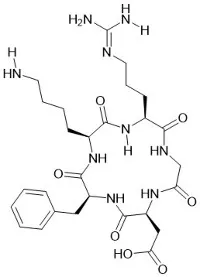
Catalogue peptides are pre - synthesized peptides that are readily available for purchase from suppliers. These peptides are typically produced in large quantities and stored in a supplier's inventory. They cover a wide range of sequences, including those derived from natural proteins, custom - designed sequences with specific functions, and peptides used in various research areas such as immunology, oncology, and neuroscience.
For example, we offer peptides like Proadrenomedullin (1 - 20) (human), Cys - V5 Peptide, and OVA Peptide (323 - 339). These peptides have well - defined sequences and are commonly used in different research applications. Proadrenomedullin (1 - 20) (human) may be involved in studies related to the adrenomedullin system, which has implications in cardiovascular regulation and cell growth. The Cys - V5 Peptide can be used in protein purification and detection assays, while the OVA Peptide (323 - 339) is often used in immunological research, especially in studies related to T - cell responses.
Customization of Catalogue Peptides
The short answer is yes, catalogue peptides can be customizable to a certain extent. Here are some aspects of customization that we offer as a supplier:
Sequence Modification
One of the most common forms of customization is sequence modification. Researchers may need to change a few amino acids in the original peptide sequence to study the structure - function relationship of the peptide. For instance, if a particular amino acid in a peptide is suspected to be crucial for its binding to a receptor, changing that amino acid can help in validating this hypothesis. We can synthesize peptides with specific amino acid substitutions, insertions, or deletions based on the customer's requirements.
Labeling
Peptides can be labeled with various tags or molecules for different purposes. Fluorescent labels such as FITC (fluorescein isothiocyanate) or rhodamine can be attached to peptides for use in fluorescence microscopy or flow cytometry. Biotin labeling is often used in affinity purification and detection assays. We can customize the labeling of our catalogue peptides according to the customer's experimental needs.
Purity Level
The purity of a peptide is an important factor in research. Different experiments may require different levels of peptide purity. For some preliminary studies, a lower purity level (e.g., 70 - 80%) may be sufficient, while for more sensitive assays such as mass spectrometry or in - vivo studies, a higher purity level (e.g., >95%) is often required. We can provide peptides at different purity levels based on the customer's specifications.
Quantity
Catalogue peptides are usually available in standard quantities. However, we understand that some researchers may need larger or smaller amounts of peptides for their experiments. Whether it is a small - scale experiment that requires only a few milligrams of peptide or a large - scale production for industrial applications, we can adjust the quantity of peptide synthesis to meet the customer's demand.


Advantages of Customizing Catalogue Peptides
Customizing catalogue peptides offers several advantages for researchers:
Tailored to Specific Research Needs
By customizing peptides, researchers can design molecules that are specifically tailored to their research questions. This allows for more precise experimentation and can lead to more accurate results. For example, in a drug discovery project, custom - designed peptides can be used to screen for potential drug candidates with higher specificity and affinity.
Cost - Effective
In some cases, customizing a catalogue peptide can be more cost - effective than synthesizing a completely new peptide from scratch. Since the basic peptide sequence already exists in our catalogue, the cost of synthesis can be reduced as some of the initial steps in the production process are already optimized.
Time - Saving
Compared to starting a new peptide synthesis project from the ground up, customizing a catalogue peptide can save a significant amount of time. Our experienced team can quickly modify the existing peptide synthesis protocol to meet the customer's requirements, reducing the overall turnaround time.
Limitations of Customization
While customization of catalogue peptides is possible, there are also some limitations:
Technical Feasibility
Not all modifications are technically feasible. Some amino acid substitutions or modifications may make the peptide difficult to synthesize or may affect its stability. For example, certain amino acid combinations may lead to peptide aggregation or degradation during the synthesis process. Our team of experts will work closely with the customer to evaluate the technical feasibility of the proposed customization and provide alternative solutions if necessary.
Cost and Time Constraints
More complex customizations may increase the cost and time required for peptide synthesis. For example, labeling a peptide with a rare or expensive tag may significantly increase the cost. Additionally, if the customization requires extensive optimization of the synthesis protocol, it may take longer to deliver the final product.
How to Request Customization
If you are interested in customizing one of our catalogue peptides, the process is relatively straightforward. You can contact our customer service team with your specific requirements, including the peptide sequence modification, labeling, purity level, and quantity. Our team will review your request and provide you with a detailed quote and an estimated delivery time. We will also keep you updated on the progress of your order throughout the synthesis process.
Conclusion
In conclusion, catalogue peptides are indeed customizable to a certain extent. As a catalogue peptides supplier, we are committed to providing our customers with high - quality customized peptides that meet their specific research needs. Whether you are a researcher in academia or an industry professional, we can work with you to customize peptides for your experiments. If you have any questions or would like to discuss peptide customization, please feel free to contact us for a detailed consultation and procurement discussion.
References
- Smith, J. A., & Johnson, B. K. (2015). Peptide synthesis: Methods and applications. CRC Press.
- Jones, C. D., & Brown, E. F. (2018). Advances in peptide labeling techniques for biological research. Journal of Peptide Science, 24(3), e3002.
- Miller, G. H., & Davis, R. S. (2020). Considerations for peptide purity in research applications. Analytical Biochemistry, 605, 113872.