




Hey there! As a supplier of peptide linkers for ADCs (Antibody-Drug Conjugates), I've seen firsthand the challenges that come with scaling up production. In this blog, I'm gonna share some of the major hurdles we face and how we're trying to tackle them.
1. Raw Material Sourcing
One of the first challenges in scaling up the production of peptide linkers for ADCs is sourcing high - quality raw materials. Peptide linkers are made up of various amino acids and other chemical components. These raw materials need to meet strict quality standards to ensure the efficacy and safety of the final ADC product.
For instance, the amino acids used in peptide synthesis must be of a specific purity level. Any impurities in the raw materials can lead to side reactions during the synthesis process, which can affect the quality and yield of the peptide linker. And sometimes, the suppliers of these raw materials might face their own production issues, like shortages due to crop failures (in the case of amino acids derived from natural sources) or problems in their manufacturing processes. This can cause delays in our production schedule and increase costs.
2. Synthesis Complexity
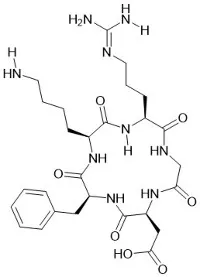
The synthesis of peptide linkers is a complex process. It involves multiple steps of coupling amino acids together in a specific sequence. Each coupling step needs to be carefully controlled to ensure the correct formation of peptide bonds.
As we scale up production, maintaining the same level of precision becomes even more difficult. Small variations in reaction conditions, such as temperature, pH, or reaction time, can have a significant impact on the quality of the final product. For example, if the reaction temperature is too high, it can cause side reactions like racemization, which can change the structure and function of the peptide linker.
Moreover, different peptide linkers have different sequences and structures, each requiring specific synthesis protocols. For example, the Acetylene - linker - Val - Cit - PABC - MMAE has a unique structure that demands a well - optimized synthesis process. We need to invest a lot of time and resources in developing and validating these protocols for large - scale production.
3. Quality Control
Quality control is a crucial aspect of scaling up production. We need to ensure that every batch of peptide linkers meets the same high - quality standards. This involves a series of tests, including analytical techniques like high - performance liquid chromatography (HPLC) and mass spectrometry.
As production volume increases, the number of samples that need to be tested also goes up. This requires more time, equipment, and personnel. And it's not just about testing the final product. We also need to monitor the quality of the raw materials and intermediate products at each step of the synthesis process.
For example, when synthesizing Alkyne - Val - Cit - PAB - OH, we need to check the purity of the starting materials, the progress of each coupling reaction, and the final purity of the product. Any deviation from the quality standards can lead to product recalls, which can be very costly for our business.
4. Regulatory Compliance
The production of peptide linkers for ADCs is highly regulated. We need to comply with various regulations, such as Good Manufacturing Practice (GMP) guidelines. These regulations ensure the safety, quality, and efficacy of the products.
As we scale up production, we need to make sure that our manufacturing facilities, processes, and quality control systems meet these regulatory requirements. This often involves significant investments in infrastructure, training, and documentation.
For example, we need to have proper documentation of all the production processes, including the sourcing of raw materials, synthesis steps, and quality control results. Any non - compliance can result in fines, production halts, or even the loss of our manufacturing license.
5. Cost Management
Scaling up production usually means increased costs. There are costs associated with raw materials, labor, equipment, and quality control. We need to find ways to manage these costs without compromising the quality of the product.
One way to do this is by optimizing our production processes. For example, we can look for more cost - effective raw materials without sacrificing quality. We can also improve the efficiency of our synthesis processes to reduce the amount of time and resources required.
Another aspect of cost management is waste reduction. In peptide synthesis, there is often a significant amount of waste generated, such as unused reagents and by - products. By implementing waste management strategies, we can reduce the overall cost of production.
6. Supply Chain Management
A reliable supply chain is essential for scaling up production. We need to ensure a steady supply of raw materials, as well as efficient transportation and logistics.
Any disruption in the supply chain can have a major impact on our production schedule. For example, if there is a delay in the delivery of a key raw material, it can halt our production. We also need to manage the inventory of raw materials and finished products to avoid overstocking or shortages.
In addition, we need to build strong relationships with our suppliers and logistics partners. This can help us negotiate better prices, ensure timely deliveries, and resolve any issues that may arise.
How We're Addressing These Challenges
To overcome these challenges, we're taking several steps. First, we're working closely with our raw material suppliers to ensure a stable supply. We're also investing in research and development to improve our synthesis processes and make them more efficient.
In terms of quality control, we're constantly upgrading our testing equipment and training our staff to ensure accurate and reliable results. We're also implementing strict documentation procedures to meet regulatory requirements.
For cost management, we're looking for ways to optimize our production processes and reduce waste. And for supply chain management, we're building strong partnerships and using advanced inventory management systems.
Contact Us for Procurement
If you're in the market for high - quality peptide linkers for ADCs, we'd love to talk to you. Whether you're interested in Acetylene - linker - Val - Cit - PABC - MMAE, Alkyne - Val - Cit - PAB - OH, MC - Val - Cit - PAB - PNP, or other peptide linkers, we can provide you with the products and services you need. Just reach out to us to start the procurement discussion.
References
- Smith, J. (2020). Peptide Linkers in Antibody - Drug Conjugates: Synthesis and Applications. Journal of Pharmaceutical Sciences.
- Johnson, A. (2019). Challenges in Scaling Up Peptide Production. Biotechnology Today.
- Brown, C. (2021). Regulatory Considerations for Peptide Linker Production. Pharmaceutical Regulatory Affairs Journal.