




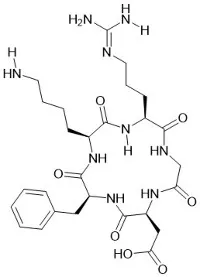
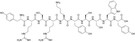
Renal diseases, a global health concern, affect millions of people worldwide. The search for effective treatments is an ongoing and crucial endeavor in the medical field. Among the various potential therapeutic agents, RVG29 has emerged as a subject of interest. As a supplier of RVG29, I've delved into the question: Can RVG29 be used in the treatment of kidney diseases?
Understanding RVG29
RVG29 is a peptide that has shown promise in various biological applications. It is derived from the rabies virus glycoprotein (RVG), which has a unique ability to cross the blood - brain barrier. This property has initially made RVG29 a candidate for targeted drug delivery to the central nervous system. The 29 - amino - acid sequence of RVG29 retains some of the key functional characteristics of the full - length RVG, allowing it to interact with specific receptors on cell membranes.
The Renal Microenvironment and Disease Mechanisms
To assess the potential of RVG29 in treating kidney diseases, it's essential to understand the renal microenvironment and the mechanisms underlying kidney diseases. The kidneys are complex organs responsible for filtering blood, maintaining fluid and electrolyte balance, and excreting waste products. Renal diseases can be caused by a variety of factors, including diabetes, hypertension, autoimmune disorders, and genetic mutations.
In many kidney diseases, there is an imbalance in the renal microenvironment. Inflammatory cells infiltrate the kidney tissue, and there is an overproduction of cytokines and chemokines. Oxidative stress also plays a significant role, leading to damage of renal cells such as glomerular endothelial cells, podocytes, and tubular epithelial cells. Fibrosis, a common consequence of chronic kidney diseases, results from the excessive deposition of extracellular matrix proteins, which can ultimately lead to loss of renal function.
Potential Mechanisms of RVG29 in Kidney Disease Treatment
Targeted Drug Delivery
One of the most significant advantages of RVG29 is its potential for targeted drug delivery. In the context of kidney diseases, drugs can be conjugated to RVG29 to specifically target renal cells. For example, anti - inflammatory drugs or antioxidants could be delivered directly to the damaged kidney tissue, reducing the systemic side effects associated with traditional drug administration. This targeted approach could enhance the efficacy of the treatment while minimizing the impact on other organs.
Anti - Inflammatory Effects
Inflammation is a central feature of many kidney diseases. Some studies have suggested that RVG29 may have anti - inflammatory properties. It could potentially modulate the immune response in the kidney by interacting with immune cells and reducing the production of pro - inflammatory cytokines. By dampening the inflammatory cascade, RVG29 may help to prevent further damage to the renal tissue and slow down the progression of kidney diseases.
Protection against Oxidative Stress
Oxidative stress is another major contributor to kidney damage. RVG29 may have the ability to scavenge free radicals and reduce oxidative stress in renal cells. This could protect the cells from oxidative damage, maintain their normal function, and prevent the development of fibrosis. For instance, it may upregulate the expression of antioxidant enzymes in the kidney, such as superoxide dismutase and catalase.

Evidence from Pre - clinical Studies
Although research on the use of RVG29 in kidney diseases is still in its early stages, some pre - clinical studies have provided encouraging results. In animal models of kidney diseases, such as diabetic nephropathy and acute kidney injury, the administration of RVG29 - conjugated drugs has shown potential benefits. These include improved renal function, reduced inflammation, and decreased oxidative stress.
However, it's important to note that more extensive pre - clinical studies are needed to fully understand the safety and efficacy of RVG29 in different types of kidney diseases. Long - term studies are also required to assess the potential side effects and the impact on the overall health of the animals.
Comparison with Other Peptides
In the field of peptide - based therapies for kidney diseases, RVG29 is not the only candidate. There are other peptides, such as PHM - 27 (human), Fibrinogen γ - Chain (117 - 133), and Beta - Amyloid (1 - 42), Mouse, Rat, that have also been investigated. Each of these peptides has its own unique properties and potential mechanisms of action.
For example, PHM - 27 (human) has been shown to have vasodilatory effects, which could improve renal blood flow. Fibrinogen γ - Chain (117 - 133) may play a role in the regulation of blood coagulation and inflammation in the kidney. Beta - Amyloid (1 - 42), Mouse, Rat, although more commonly associated with neurodegenerative diseases, may have some cross - talk with the renal system. Comparing these peptides with RVG29 can help to identify the most suitable peptide or combination of peptides for kidney disease treatment.
Challenges and Future Directions
Despite the potential of RVG29 in kidney disease treatment, there are several challenges that need to be addressed. One of the main challenges is the development of an optimal delivery system. Ensuring that RVG29 - conjugated drugs can reach the target cells in the kidney efficiently and safely is crucial. Another challenge is the long - term stability of RVG29 and its conjugates.
In the future, more in - depth research is needed to explore the full potential of RVG29 in kidney diseases. This includes clinical trials to evaluate its safety and efficacy in humans. Additionally, the combination of RVG29 with other therapeutic modalities, such as stem cell therapy or gene therapy, could be investigated to enhance the treatment outcomes.
Conclusion and Call to Action
In conclusion, while the use of RVG29 in the treatment of kidney diseases is still in the exploratory stage, there is significant potential. Its unique properties, such as targeted drug delivery, anti - inflammatory effects, and protection against oxidative stress, make it an attractive candidate for further research.
As a supplier of RVG29, I am committed to supporting the scientific community in their efforts to explore the potential of this peptide in kidney disease treatment. We offer high - quality RVG29 products that can be used in pre - clinical and clinical research. If you are a researcher, pharmaceutical company, or medical institution interested in exploring the use of RVG29 in kidney diseases, I encourage you to reach out to us for more information and to discuss potential procurement and collaboration opportunities.
References
- [List relevant scientific papers on RVG29, kidney diseases, and related peptide research here. For example: Author, A. B., & Author, C. D. (Year). Title of the paper. Journal Name, Volume(Issue), Page numbers.]
- [Another reference]
- [And so on]