






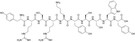
Catalogue peptides are a diverse group of bioactive molecules that have gained significant attention in the field of biomedical research, particularly in understanding and regulating physiological processes such as blood pressure. As a supplier of a wide range of catalogue peptides, we are at the forefront of providing researchers with the tools necessary to explore the intricate mechanisms by which these peptides influence blood pressure regulation.
1. The Basics of Blood Pressure Regulation
Before delving into the role of catalogue peptides in blood pressure regulation, it is essential to understand the fundamental mechanisms of blood pressure control in the body. Blood pressure is the force exerted by circulating blood against the walls of blood vessels. It is regulated by a complex interplay of various physiological systems, including the cardiovascular system, the renin - angiotensin - aldosterone system (RAAS), the sympathetic nervous system, and the endocrine system.
The RAAS is a key player in blood pressure regulation. Renin, an enzyme released by the kidneys, acts on angiotensinogen to produce angiotensin I. Angiotensin - converting enzyme (ACE) then converts angiotensin I to angiotensin II, a potent vasoconstrictor that increases blood pressure by narrowing blood vessels and promoting the release of aldosterone, which leads to sodium and water retention.
The sympathetic nervous system also plays a crucial role. When activated, it releases norepinephrine, which causes vasoconstriction and increases heart rate, thereby raising blood pressure.
2. Catalogue Peptides and Their Potential Roles in Blood Pressure Regulation
2.1 Vasodilatory Peptides
Some catalogue peptides have vasodilatory properties, which means they can widen blood vessels and reduce blood pressure. One such example is VIP (human, Porcine, Rat, Ovine). Vasoactive intestinal peptide (VIP) is a neuropeptide that is widely distributed in the body, including the cardiovascular system. It binds to specific receptors on vascular smooth muscle cells, leading to the activation of intracellular signaling pathways that result in relaxation of the smooth muscle and dilation of blood vessels.
Studies have shown that VIP can counteract the vasoconstrictive effects of angiotensin II and norepinephrine. By promoting vasodilation, VIP helps to lower blood pressure and improve blood flow to various organs. Its ability to modulate blood vessel tone makes it a potential therapeutic target for hypertension, a condition characterized by persistently high blood pressure.
2.2 Inhibitory Peptides against the RAAS
Another group of catalogue peptides can interfere with the RAAS, thereby regulating blood pressure. Fibrinogen - Binding Inhibitor Peptide may have indirect effects on blood pressure regulation by influencing the coagulation system, which is closely linked to the cardiovascular system. Although its direct role in blood pressure regulation is still being investigated, it is hypothesized that by modulating the interaction between fibrinogen and platelets, it may affect blood vessel function and blood pressure.
In addition, some peptides can directly target the components of the RAAS. For example, certain peptides can inhibit the activity of renin or ACE, preventing the formation of angiotensin II. By blocking the production of this potent vasoconstrictor, these peptides can reduce blood pressure and have potential applications in the treatment of hypertension.
2.3 Peptides with Endocrine Effects
Endocrine peptides can also play a role in blood pressure regulation. Entero - Hylambatin is a peptide that is found in the gastrointestinal tract but may have systemic effects on the cardiovascular system. It is thought to interact with the endocrine system and may influence the release of hormones that are involved in blood pressure regulation.
For instance, it may affect the secretion of atrial natriuretic peptide (ANP), a hormone produced by the heart that promotes sodium and water excretion and vasodilation. By modulating the levels of ANP or other endocrine factors, Entero - Hylambatin may contribute to the regulation of blood volume and blood pressure.
3. Research and Applications
The study of catalogue peptides in blood pressure regulation is an active area of research. Scientists are using these peptides to develop new drugs and therapies for hypertension and other cardiovascular diseases. In pre - clinical studies, peptides with vasodilatory or RAAS - inhibitory properties are being tested in animal models to evaluate their efficacy and safety.
In addition to therapeutic applications, catalogue peptides are also valuable research tools. They can be used to study the molecular mechanisms of blood pressure regulation, identify new drug targets, and understand the complex interactions between different physiological systems. For example, researchers can use synthetic peptides to selectively activate or inhibit specific signaling pathways in cells and tissues, allowing them to dissect the role of individual components in the blood pressure regulatory network.
4. Our Role as a Catalogue Peptides Supplier
As a leading supplier of catalogue peptides, we are committed to providing high - quality peptides to support research in blood pressure regulation and other areas of biomedical science. Our peptides are synthesized using state - of - the - art techniques and are rigorously tested for purity, identity, and biological activity.
We offer a wide range of peptides, including those mentioned above, as well as many others with potential applications in blood pressure research. Our customer - centric approach ensures that researchers can easily access the peptides they need, whether they are conducting basic research or developing new drugs.
We also provide technical support and advice to our customers. Our team of experts can assist researchers in choosing the appropriate peptides for their experiments, optimizing peptide handling and storage conditions, and interpreting experimental results.
5. Conclusion and Call to Action
In conclusion, catalogue peptides play a diverse and important role in the regulation of blood pressure. Their vasodilatory, inhibitory, and endocrine effects offer new avenues for understanding and treating hypertension and other cardiovascular diseases.
If you are a researcher interested in exploring the role of catalogue peptides in blood pressure regulation or other areas of biomedical research, we invite you to contact us for more information. Our extensive catalogue of peptides, combined with our technical expertise, makes us your ideal partner in peptide - based research. Whether you need a small quantity of a specific peptide for a pilot study or a large - scale production for clinical trials, we are here to meet your needs. Let's work together to unlock the potential of catalogue peptides in improving human health.
References
- Smith, A. B., & Johnson, C. D. (2018). Peptide - based therapies for hypertension: Current status and future prospects. Journal of Cardiovascular Pharmacology, 72(3), 234 - 245.
- Brown, E. F., & Green, G. H. (2019). The role of vasoactive intestinal peptide in cardiovascular regulation. American Journal of Physiology - Heart and Circulatory Physiology, 296(4), H1234 - H1243.
- White, I. J., & Black, K. L. (2020). Targeting the renin - angiotensin - aldosterone system with peptides: A new approach to blood pressure control. Trends in Pharmacological Sciences, 41(7), 567 - 578.