




Collagen is a crucial protein in our skin that provides structure, elasticity, and firmness. As we age, the natural production of collagen in our bodies begins to decline, leading to the appearance of wrinkles, fine lines, and sagging skin. This is where cosmetic peptides come into play. As a cosmetic peptides supplier, I've witnessed firsthand the transformative power of these tiny yet mighty molecules on collagen production. In this blog, I'll delve into how cosmetic peptides affect collagen production and why they're becoming a staple in the skincare industry.
Understanding Collagen and Its Role in Skin Health
Before we explore the impact of cosmetic peptides on collagen production, it's essential to understand what collagen is and why it's so important for our skin. Collagen is the most abundant protein in our bodies, making up about 75% of our skin's dry weight. It forms a network of fibers that provide support and structure to the skin, keeping it smooth, plump, and youthful-looking.
As we age, several factors contribute to the breakdown of collagen. These include genetic predisposition, sun exposure, smoking, poor diet, and environmental pollutants. Over time, the production of new collagen slows down, and the existing collagen fibers become weaker and more fragmented. This leads to the visible signs of aging, such as wrinkles, fine lines, and loss of skin elasticity.
What Are Cosmetic Peptides?
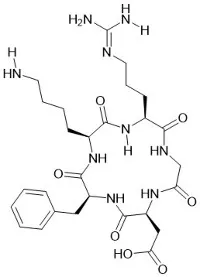
Peptides are short chains of amino acids, the building blocks of proteins. In the context of skincare, cosmetic peptides are specifically designed to mimic the natural peptides found in our skin. They are small enough to penetrate the skin's surface and deliver targeted effects at the cellular level.
There are different types of cosmetic peptides, each with its own unique function. Some peptides stimulate collagen production, while others help to reduce inflammation, improve skin hydration, or protect the skin from oxidative stress. The specific amino acid sequence of a peptide determines its biological activity and how it interacts with the skin.
How Cosmetic Peptides Stimulate Collagen Production
One of the primary ways cosmetic peptides affect collagen production is by signaling the skin cells to produce more collagen. When a peptide penetrates the skin, it binds to specific receptors on the surface of the skin cells, such as fibroblasts. Fibroblasts are the cells responsible for producing collagen, elastin, and other extracellular matrix proteins.
Once the peptide binds to the receptor, it activates a series of intracellular signaling pathways. These pathways trigger the fibroblasts to increase the synthesis of collagen genes, leading to an upregulation of collagen production. For example, some peptides can stimulate the production of procollagen, the precursor to collagen. Procollagen is then processed and assembled into mature collagen fibers, which are incorporated into the extracellular matrix of the skin.
Another way cosmetic peptides can enhance collagen production is by inhibiting the enzymes that break down collagen. Matrix metalloproteinases (MMPs) are a family of enzymes that play a key role in the degradation of collagen and other extracellular matrix proteins. As we age, the activity of MMPs increases, leading to accelerated collagen breakdown. Certain cosmetic peptides can inhibit the activity of MMPs, thereby protecting the existing collagen fibers and promoting a more youthful skin appearance.
Specific Cosmetic Peptides and Their Effects on Collagen Production
Pentapeptide - 3
Pentapeptide - 3 is a well - known cosmetic peptide that has been shown to stimulate collagen production. It works by activating the TGF - β signaling pathway in fibroblasts. TGF - β is a growth factor that plays a crucial role in regulating collagen synthesis. By activating this pathway, Pentapeptide - 3 can increase the production of type I and type III collagen, which are the most abundant types of collagen in the skin. Clinical studies have demonstrated that products containing Pentapeptide - 3 can significantly reduce the appearance of fine lines and wrinkles and improve skin elasticity.
Acetyl Pentapeptide - 1
Acetyl Pentapeptide - 1 is another peptide that has a positive impact on collagen production. It can stimulate the production of hyaluronic acid, which is closely related to collagen function. Hyaluronic acid helps to hydrate the skin and provides a supportive environment for collagen fibers. By increasing hyaluronic acid production, Acetyl Pentapeptide - 1 can enhance the overall quality and quantity of collagen in the skin. This peptide has also been shown to improve skin firmness and reduce the depth of wrinkles.


Acetyl Tetrapeptide - 5
Acetyl Tetrapeptide - 5 is known for its ability to improve blood circulation in the skin. Adequate blood circulation is essential for delivering oxygen and nutrients to the skin cells, including fibroblasts. By enhancing blood flow, Acetyl Tetrapeptide - 5 can support the metabolic activity of fibroblasts and promote collagen production. Additionally, this peptide can help to reduce the appearance of dark circles and puffiness under the eyes, which are often associated with poor blood circulation and collagen loss in the delicate eye area.
Benefits of Using Cosmetic Peptides for Collagen Production
- Anti - aging effects: By stimulating collagen production, cosmetic peptides can help to reduce the appearance of wrinkles, fine lines, and sagging skin. They can improve skin elasticity, firmness, and smoothness, giving the skin a more youthful appearance.
- Improved skin texture: Collagen is essential for maintaining a smooth and even skin texture. Cosmetic peptides can help to repair damaged collagen fibers and promote the growth of new collagen, resulting in a softer and more refined skin surface.
- Enhanced skin hydration: Some cosmetic peptides can increase the production of hyaluronic acid, which is a natural moisturizer in the skin. This can help to keep the skin hydrated, plump, and supple.
- Targeted treatment: Cosmetic peptides can be formulated into specific skincare products to target different skin concerns. For example, peptides can be combined with other active ingredients such as antioxidants or vitamins to create a comprehensive anti - aging skincare regimen.
Incorporating Cosmetic Peptides into Skincare Routines
When it comes to incorporating cosmetic peptides into your skincare routine, it's important to choose products that are formulated with high - quality peptides and other beneficial ingredients. Look for products that are specifically designed for your skin type and concerns.
Peptide - based skincare products are available in various forms, including serums, creams, and masks. Serums are typically the most concentrated form of peptide products and are best applied after cleansing and toning. They can be followed by a moisturizer to lock in the benefits of the peptide serum.
It's also important to be consistent with your skincare routine. Results from using cosmetic peptides may not be immediate, but with regular use over time, you should start to notice improvements in your skin's appearance and texture.
Conclusion
Cosmetic peptides have emerged as a powerful tool in the fight against aging and the promotion of healthy, youthful - looking skin. By stimulating collagen production, these peptides can help to reverse the signs of collagen loss and improve the overall quality of the skin. As a cosmetic peptides supplier, I'm excited to see the continued research and development in this field, and I'm confident that cosmetic peptides will play an increasingly important role in the future of skincare.
If you're interested in learning more about our range of cosmetic peptides or would like to discuss potential procurement opportunities, I encourage you to reach out. Our team of experts is ready to assist you in finding the right peptide solutions for your skincare products.
References
- Alberts, B., Johnson, A., Lewis, J., Raff, M., Roberts, K., & Walter, P. (2002). Molecular Biology of the Cell. Garland Science.
- Bissett, D. L., Oblong, J. E., & Berge, C. A. (2008). A double - blind, placebo - controlled clinical study of the efficacy of a synthetic peptide complex for reducing the appearance of wrinkles. Journal of Drugs in Dermatology, 7(11), 1049 - 1054.
- Griffiths, C. E., & Van Scott, E. J. (1995). Topical tretinoin for photoaged skin. New England Journal of Medicine, 332(17), 1037 - 1044.