




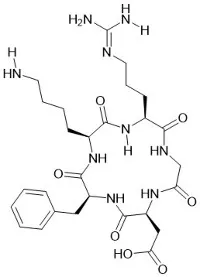
Peptide active pharmaceutical ingredients (APIs) have emerged as a revolutionary class of compounds in the pharmaceutical industry. As a leading supplier of peptide APIs, I am excited to share insights into the diverse applications of these remarkable molecules. Peptides, which are short chains of amino acids, offer unique pharmacological properties that make them attractive candidates for drug development. In this blog post, we will explore the various applications of peptide APIs in the pharmaceutical industry, highlighting their potential to address unmet medical needs and improve patient outcomes.
Therapeutic Applications
One of the primary applications of peptide APIs is in the development of therapeutic drugs. Peptides can be designed to target specific biological pathways and receptors, making them highly effective in treating a wide range of diseases. For example, peptide hormones such as insulin and glucagon are used to manage diabetes by regulating blood sugar levels. These peptides mimic the action of naturally occurring hormones in the body, providing a safe and effective treatment option for patients.
Another area where peptide APIs have shown great promise is in the treatment of cancer. Peptide-based drugs can be engineered to target cancer cells specifically, minimizing damage to healthy tissues. For instance, some peptides can bind to receptors on cancer cells and deliver cytotoxic agents directly to the tumor site, enhancing the efficacy of chemotherapy. Additionally, peptides can be used to modulate the immune system, helping the body to recognize and destroy cancer cells more effectively.
Peptide APIs are also being explored for the treatment of neurological disorders such as Alzheimer's disease and Parkinson's disease. These peptides can interact with specific proteins in the brain, preventing the formation of toxic aggregates and reducing inflammation. By targeting the underlying mechanisms of these diseases, peptide-based therapies have the potential to slow down or even halt the progression of neurological disorders.
Diagnostic Applications
In addition to their therapeutic applications, peptide APIs are also widely used in diagnostic tools. Peptides can be labeled with fluorescent or radioactive tags, allowing them to be detected and visualized in biological samples. This property makes them valuable for imaging techniques such as positron emission tomography (PET) and magnetic resonance imaging (MRI). For example, peptide-based imaging agents can be used to detect and monitor the progression of cancer, as well as to evaluate the effectiveness of treatment.
Peptides can also be used in immunoassays, which are commonly used to detect the presence of specific proteins or antibodies in blood or other bodily fluids. These assays rely on the ability of peptides to bind to target molecules with high specificity and affinity. By using peptide-based immunoassays, healthcare providers can diagnose diseases more accurately and monitor the response to treatment.


Vaccine Development
Peptide APIs play a crucial role in vaccine development. Peptides can be designed to mimic specific antigens on the surface of pathogens, triggering an immune response in the body. This approach is particularly useful for developing vaccines against viruses and bacteria that are difficult to culture or that mutate rapidly. For example, peptide-based vaccines are being developed for influenza, HIV, and malaria, among other diseases.
One of the advantages of peptide-based vaccines is their safety profile. Since peptides are short chains of amino acids, they are less likely to cause adverse reactions compared to traditional vaccines. Additionally, peptide vaccines can be easily modified to target specific strains of pathogens, making them more effective in preventing the spread of infectious diseases.
Cosmeceutical Applications
Peptide APIs are also finding applications in the cosmeceutical industry. Peptides can be used in skincare products to improve the appearance of the skin by reducing wrinkles, enhancing collagen production, and promoting skin hydration. For example, some peptides can stimulate the production of elastin and collagen, which are essential for maintaining the elasticity and firmness of the skin. Others can inhibit the activity of enzymes that break down collagen, helping to prevent the formation of wrinkles.
Peptides can also be used in haircare products to promote hair growth and improve the health of the scalp. Some peptides can stimulate the proliferation of hair follicle cells, while others can inhibit the production of dihydrotestosterone (DHT), a hormone that is associated with hair loss.
Examples of Peptide APIs
As a supplier of peptide APIs, we offer a wide range of high-quality products to meet the diverse needs of our customers. Some of our popular peptide APIs include Boc-His(Trt)-Aib-OH, Fmoc-Leu-Aib-OH, and Boc-Tyr(TBu)-Aib-OH. These peptides are synthesized using state-of-the-art techniques and are rigorously tested to ensure their purity and quality.
Boc-His(Trt)-Aib-OH is a protected dipeptide that is commonly used in peptide synthesis. It contains a histidine residue protected with a tert-butyloxycarbonyl (Boc) group and a trityl (Trt) group, as well as an α-aminoisobutyric acid (Aib) residue. This peptide is useful for the synthesis of peptides with specific biological activities.
Fmoc-Leu-Aib-OH is another protected dipeptide that is widely used in peptide chemistry. It contains a leucine residue protected with a fluorenylmethyloxycarbonyl (Fmoc) group and an Aib residue. This peptide is often used in the synthesis of peptides for therapeutic and diagnostic applications.
Boc-Tyr(TBu)-Aib-OH is a protected dipeptide that contains a tyrosine residue protected with a Boc group and a tert-butyl (TBu) group, as well as an Aib residue. This peptide is useful for the synthesis of peptides that target specific receptors or enzymes.
Conclusion
Peptide APIs have revolutionized the pharmaceutical industry by offering a wide range of applications in therapeutics, diagnostics, vaccine development, and cosmeceuticals. These molecules have unique pharmacological properties that make them highly effective in treating various diseases and improving patient outcomes. As a leading supplier of peptide APIs, we are committed to providing high-quality products and exceptional customer service to our clients.
If you are interested in learning more about our peptide APIs or would like to discuss potential applications for your research or development projects, please do not hesitate to contact us. We look forward to the opportunity to work with you and contribute to the advancement of the pharmaceutical industry.
References
- Ahn, K. H., & Rudolph, A. S. (2019). Peptide therapeutics: Current status and future directions. Archives of Pharmacal Research, 42(1), 1-16.
- Craik, D. J., Fairlie, D. P., Liras, S., & Price, D. A. (2013). The future of peptide-based drugs. Chemical Reviews, 113(10), 7227-7257.
- Hruby, V. J., Al-Obeidi, F., & Kazmierski, W. (1990). Applications of synthetic peptides. Biopolymers, 29(3-4), 571-587.
- Lindeberg, M., & Jorgensen, F. S. (2019). Peptide-based vaccines: From basic research to clinical practice. Vaccines, 7(4), 143.
- Wang, Y., & Tam, J. P. (2019). Peptide therapeutics: Back to the future. Trends in Pharmacological Sciences, 40(6), 411-424.