




Hey there! As a supplier of peptide APIs, I often get asked how peptide APIs stack up against other types of active pharmaceutical ingredients (APIs). Well, let's dive right into it and break down the key differences, advantages, and disadvantages.
What Are Peptide APIs?
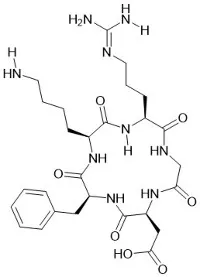
First off, let's quickly define what peptide APIs are. Peptides are short chains of amino acids, the building blocks of proteins. Peptide APIs are used in a variety of pharmaceutical applications, from drugs that target specific diseases to cosmetic products. They're highly specific in their actions, which makes them a popular choice in the development of new therapies.
Comparing Peptide APIs with Small Molecule APIs
Small molecule APIs are the most common type of APIs out there. They're typically made up of fewer than 500 daltons, which allows them to easily penetrate cell membranes and reach their target sites. So, how do peptide APIs compare?
Specificity
One of the biggest advantages of peptide APIs is their high specificity. Peptides can be designed to interact with very specific receptors or enzymes in the body, which means they can have a more targeted effect. This is a huge plus when it comes to developing drugs that need to act on a particular pathway or cell type. For example, some peptide-based drugs can target cancer cells specifically, leaving healthy cells unharmed. On the other hand, small molecule APIs are often less specific and may have more off-target effects, which can lead to side effects.
Manufacturing Complexity
Manufacturing peptide APIs is generally more complex than making small molecule APIs. Peptides are synthesized through a process called solid-phase peptide synthesis (SPPS), which involves adding amino acids one by one to a growing peptide chain. This process requires precise control of reaction conditions and purification steps to ensure the final product is of high quality. Small molecule APIs, on the other hand, can often be synthesized through simpler chemical reactions. However, the complexity of peptide synthesis also means that peptide APIs can be more customized, allowing for the development of unique drugs.
Bioavailability
Bioavailability is another important factor to consider. Small molecule APIs usually have better bioavailability because they can easily cross cell membranes and be absorbed into the bloodstream. Peptides, on the other hand, are often larger and more hydrophilic, which makes it more difficult for them to cross cell membranes. This can limit their bioavailability and require more complex delivery systems, such as injections or nasal sprays.
Comparing Peptide APIs with Biologics
Biologics are another type of APIs that are derived from living organisms, such as proteins, antibodies, and vaccines. How do peptide APIs fit into this picture?
Size and Complexity
Biologics are generally much larger and more complex than peptide APIs. For example, antibodies can have a molecular weight of over 150,000 daltons, while peptides typically range from a few hundred to a few thousand daltons. This difference in size and complexity affects their manufacturing, storage, and delivery. Peptide APIs are easier to manufacture and store compared to biologics, which often require strict temperature control and specialized handling.
Immunogenicity
Immunogenicity is the ability of a substance to trigger an immune response in the body. Biologics, especially those derived from non-human sources, can be highly immunogenic, which means they may cause the body to produce antibodies against them. This can reduce their effectiveness and lead to potential side effects. Peptide APIs, on the other hand, are often less immunogenic because they are smaller and more similar to natural peptides in the body.
Targeting
Both peptide APIs and biologics can be designed to target specific molecules in the body. However, peptides can be more easily modified to improve their targeting ability. For example, peptides can be conjugated with other molecules, such as targeting ligands or imaging agents, to enhance their specificity and functionality. This makes them a versatile tool in the development of targeted therapies.
Examples of Peptide APIs
As a peptide APIs supplier, I have a wide range of products to offer. Some of our popular peptide APIs include Fmoc-Ile-Aib-Leu-Asp(OtBu)-OH, Fmoc-Ile-Aib-OH, and C16-(OtBu)-Glu(OSU)-OtBu. These peptides are used in various research and pharmaceutical applications, such as drug development and peptide synthesis.
Conclusion
In conclusion, peptide APIs have their own unique advantages and disadvantages when compared to other types of APIs. They offer high specificity, low immunogenicity, and the ability to be customized, but they also face challenges in terms of bioavailability and manufacturing complexity. Whether peptide APIs are the right choice for a particular application depends on a variety of factors, such as the target disease, the desired mode of action, and the available delivery systems.
If you're interested in learning more about our peptide APIs or are looking to purchase them for your research or pharmaceutical development, don't hesitate to reach out. We're here to help you find the right peptide APIs for your needs and provide you with the support and expertise you need. Let's start a conversation and see how we can work together to develop the next generation of drugs!


References
- Goodman, A. G., & Gilman, A. (Eds.). (2006). Goodman & Gilman's The Pharmacological Basis of Therapeutics. McGraw-Hill.
- Leroy-Willig, A., & Reymond, J. L. (2012). Peptide-Based Drugs: Past, Present, and Future. Chemical Reviews, 112(10), 5579-5613.
- Walsh, G. (2018). Biopharmaceutical Benchmarks 2018. Nature Biotechnology, 36(10), 917-924.