




Systemin is a well - known plant peptide hormone that plays a crucial role in plant defense responses. Nitric oxide (NO) is also an important signaling molecule in plants, involved in various physiological processes such as growth, development, and stress responses. In this blog, we will explore how Systemin affects plant nitric oxide signaling, and as a Systemin supplier, we will also introduce our products and encourage you to contact us for procurement.
Systemin: An Overview
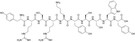
Systemin is a small peptide composed of 18 amino acids. It was first discovered in tomato plants and is known to be involved in the systemic wound response. When a plant is wounded, Systemin is released and transported through the phloem to other parts of the plant. This peptide then activates a series of defense - related genes, leading to the production of protease inhibitors and other defense compounds to protect the plant from herbivores and pathogens.


The discovery of Systemin opened up a new area of research in plant peptide hormones. It has been found that Systemin can bind to a specific receptor on the cell membrane, triggering a signal transduction cascade. This cascade involves the activation of protein kinases, the production of reactive oxygen species (ROS), and the release of calcium ions. All these events contribute to the activation of defense - related genes.
Nitric Oxide Signaling in Plants
Nitric oxide is a gaseous signaling molecule that has been shown to play a significant role in plant physiology. It is involved in processes such as seed germination, root development, stomatal closure, and responses to biotic and abiotic stresses. NO can be synthesized in plants through both enzymatic and non - enzymatic pathways. The main enzymatic pathway involves the activity of nitric oxide synthase (NOS) - like enzymes, although the exact nature of these enzymes in plants is still a subject of debate.
NO signaling in plants often involves the modification of proteins through S - nitrosylation, a process in which a nitric oxide group is added to a cysteine residue of a protein. This modification can alter the activity, localization, or stability of the protein, leading to changes in cellular processes. For example, S - nitrosylation of transcription factors can affect gene expression, and S - nitrosylation of ion channels can influence ion fluxes across the cell membrane.
Interaction between Systemin and Nitric Oxide Signaling
Several studies have shown that Systemin can induce the production of NO in plants. When Systemin is applied to plant tissues, it can trigger the activation of NOS - like enzymes or other NO - producing pathways. The increase in NO levels then participates in the defense response.
One of the ways Systemin affects NO signaling is through the activation of calcium - dependent protein kinases (CDPKs). Systemin binding to its receptor leads to an increase in intracellular calcium levels, which in turn activates CDPKs. These CDPKs can phosphorylate proteins involved in NO production, such as NOS - like enzymes, leading to an increase in NO synthesis.
NO, in turn, can enhance the Systemin - mediated defense response. It can interact with ROS, another important signaling molecule in the defense response. The combination of NO and ROS can lead to the activation of defense - related genes more effectively. For example, NO can react with superoxide anions to form peroxynitrite, which can modify proteins and activate transcription factors involved in defense gene expression.
Moreover, NO can also affect the stability and activity of Systemin - induced defense proteins. S - nitrosylation of protease inhibitors, for example, can enhance their inhibitory activity against herbivore proteases, providing better protection for the plant.
Our Systemin Products
As a Systemin supplier, we offer high - quality Systemin products. Our Systemin is synthesized using advanced peptide synthesis techniques, ensuring high purity and biological activity. You can find more information about our Systemin product on our website: Systemin.
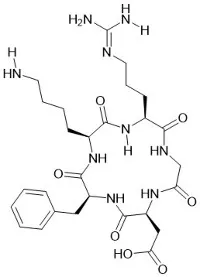
In addition to Systemin, we also provide other peptide products. For example, HIV - Tat Protein (47 - 57) is a well - studied peptide with potential applications in drug delivery and cell penetration research. Another product is α - Factor Mating Pheromone, Yeast, which is important in yeast mating studies.
Contact Us for Procurement
If you are interested in our Systemin or other peptide products, we encourage you to contact us for procurement. Our team of experts can provide you with detailed product information, technical support, and competitive pricing. Whether you are a researcher in a laboratory, a biotech company, or an academic institution, we can meet your peptide needs.
References
- Ryan, C. A. (2000). The systemin signaling pathway: differential activation of plant defensive genes. Biochimica et Biophysica Acta (BBA) - Molecular Cell Research, 1477(1 - 2), 112 - 121.
- Delledonne, M., Xia, Y., Dixon, R. A., & Lamb, C. (1998). Nitric oxide functions as a signal in plant disease resistance. Nature, 394(6695), 585 - 588.
- Romero - Puertas, M. C., del Río, L. A., & Sandalio, L. M. (2007). Nitric oxide and reactive oxygen species in peroxisomes: production, scavenging and role in cell signaling. Plant Science, 172(6), 816 - 825.
- Wang, X., & Wu, J. (2013). Nitric oxide and plant responses to abiotic stress. Acta Physiologiae Plantarum, 35(12), 3999 - 4009.