




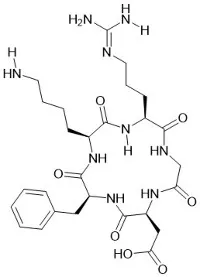
High-throughput screening (HTS) is a game-changer in drug discovery and biological research, allowing scientists to test thousands of compounds in a short time. Peptide substrates play a crucial role in HTS, especially when it comes to studying enzyme activity. As a peptide substrates supplier, I've seen firsthand the challenges researchers face when using these substrates in HTS. In this blog, I'll share some tips on how to overcome these challenges.
Solubility Issues
One of the most common problems with peptide substrates in HTS is solubility. Peptides can be notoriously difficult to dissolve, especially those with hydrophobic amino acids. Poor solubility can lead to inaccurate results and can even clog the screening equipment.
To tackle this issue, it's important to choose the right solvent. For many peptides, a mixture of water and an organic solvent like dimethyl sulfoxide (DMSO) works well. Start by dissolving the peptide in a small amount of DMSO, and then dilute it with water. Make sure to use high-quality solvents to avoid any contaminants that could interfere with the assay.
Another trick is to modify the peptide sequence. Adding hydrophilic amino acids or chemical groups can improve solubility. However, this approach requires careful consideration, as it may also affect the peptide's activity and binding affinity.
Stability Problems
Peptide substrates can be unstable, especially in the presence of enzymes, heat, or light. Instability can lead to degradation of the substrate, which can affect the accuracy of the screening results.
To improve stability, store the peptide substrates at low temperatures, preferably at -20°C or -80°C. When preparing the assay, keep the substrate solution on ice as much as possible. Also, protect the solution from light by using amber-colored vials or wrapping the vials in aluminum foil.


If the peptide substrate is prone to enzymatic degradation, you can add protease inhibitors to the solution. For example, Calpain Inhibitor VI can be used to inhibit calpain, a protease that can degrade many peptides.
Non-Specific Binding
Non-specific binding is another challenge in HTS with peptide substrates. Peptides can bind non-specifically to the assay plate, the screening equipment, or other components in the assay, leading to false positives or false negatives.
To reduce non-specific binding, use blocking agents. Bovine serum albumin (BSA) or casein are commonly used blocking agents. Add the blocking agent to the assay plate before adding the peptide substrate. This will coat the surface of the plate and prevent non-specific binding.
Another approach is to optimize the assay conditions. Adjusting the pH, ionic strength, or buffer composition can reduce non-specific binding. You can also try using different types of assay plates, such as low-binding plates, which are designed to minimize non-specific interactions.
Cost Considerations
Peptide substrates can be expensive, especially when used in large-scale HTS. Cost can be a major barrier for many research groups, especially those with limited budgets.
As a peptide substrates supplier, we understand the cost concerns. That's why we offer a range of peptide substrates at competitive prices. We also provide bulk discounts for large orders. Additionally, we can work with you to develop custom peptide substrates that meet your specific needs and budget.
Compatibility with Screening Platforms
Not all peptide substrates are compatible with every screening platform. Some platforms may require specific types of substrates or assay formats.
Before starting the HTS, make sure to choose a peptide substrate that is compatible with your screening platform. If you're using a fluorescence-based assay, for example, choose a peptide substrate that can be labeled with a fluorescent dye. If you're using a luminescence-based assay, choose a substrate that can generate a luminescent signal.
If you're unsure about the compatibility of a peptide substrate with your screening platform, don't hesitate to contact us. We have a team of experts who can help you select the right substrate for your needs.
Quality Control
Quality control is essential when using peptide substrates in HTS. Poor-quality substrates can lead to inconsistent results and can waste valuable time and resources.
As a peptide substrates supplier, we have strict quality control measures in place. All our peptide substrates are synthesized using high-quality materials and state-of-the-art techniques. We also perform rigorous quality testing on each batch of substrates to ensure their purity, identity, and activity.
When you purchase peptide substrates from us, you can be confident that you're getting a high-quality product that will give you reliable results.
Conclusion
Using peptide substrates in HTS can be challenging, but with the right strategies, these challenges can be overcome. By addressing solubility issues, improving stability, reducing non-specific binding, considering cost, ensuring compatibility with screening platforms, and maintaining quality control, you can achieve accurate and reliable results in your HTS experiments.
If you're facing any challenges in using peptide substrates in HTS, or if you're looking for high-quality peptide substrates at competitive prices, we're here to help. Contact us today to discuss your needs and start a procurement洽谈. We're committed to providing you with the best products and services to support your research.
References
- Smith, J. et al. (2018). High-throughput screening of peptide substrates for enzyme activity assays. Journal of Biomolecular Screening, 23(7), 654-662.
- Johnson, R. et al. (2019). Strategies for improving the solubility and stability of peptide substrates in high-throughput screening. Analytical Biochemistry, 579, 1-8.
- Brown, S. et al. (2020). Reducing non-specific binding in high-throughput screening assays using peptide substrates. Journal of Laboratory Automation, 25(3), 283-291.