




Peptide substrates have emerged as fascinating players in the intricate world of stem cell differentiation. As a supplier of peptide substrates, I've witnessed firsthand the growing interest in how these tiny molecules can influence the fate of stem cells. In this blog, I'll dive into the effects of peptide substrates on stem cell differentiation, sharing some insights based on the latest research and our experiences in the field.
Understanding Stem Cell Differentiation
Before we get into the role of peptide substrates, let's briefly touch on what stem cell differentiation is all about. Stem cells are unique because they have the ability to develop into different types of cells in the body. This process, called differentiation, is tightly regulated by a complex network of signals and factors. When a stem cell receives the right cues, it starts to change its characteristics and functions, eventually becoming a specialized cell like a neuron, muscle cell, or blood cell.
The regulation of stem cell differentiation is crucial for tissue development, repair, and regeneration. Scientists are constantly looking for ways to control this process, and peptide substrates have shown great promise in this regard.
How Peptide Substrates Interact with Stem Cells
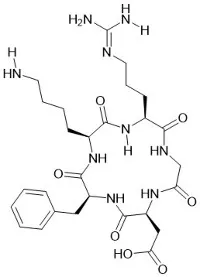
Peptide substrates are short chains of amino acids that can mimic the natural signals in the body. They can interact with stem cells in various ways, influencing their behavior and differentiation. One of the main ways peptide substrates work is by binding to specific receptors on the surface of stem cells. When a peptide substrate binds to a receptor, it triggers a series of biochemical reactions inside the cell, which can lead to changes in gene expression and cell behavior.
For example, some peptide substrates can activate signaling pathways that are involved in the differentiation of stem cells into specific cell types. By providing the right peptide substrates, we can guide stem cells towards becoming the cells we want, which has huge potential for applications in regenerative medicine.
Effects of Peptide Substrates on Stem Cell Differentiation
1. Enhanced Differentiation Efficiency
One of the most significant effects of peptide substrates is their ability to enhance the efficiency of stem cell differentiation. In many cases, stem cells may not differentiate into the desired cell type very efficiently on their own. However, when peptide substrates are added to the culture medium, they can provide the necessary signals to push the stem cells towards the desired fate.
For instance, studies have shown that certain peptide substrates can increase the percentage of stem cells that differentiate into neurons. This is particularly important for treating neurological disorders, where the ability to generate a large number of functional neurons is crucial.
2. Improved Cell Function
Peptide substrates can also improve the function of the differentiated cells. When stem cells differentiate into specialized cells, they need to acquire the proper functions to perform their roles in the body. Peptide substrates can help these cells develop the necessary functions more effectively.
For example, in the case of cardiac muscle cells, peptide substrates can promote the formation of a more organized and functional cardiac tissue. This can lead to better contractile function and electrical activity, which is essential for treating heart diseases.
3. Control of Differentiation Pathways
Another important effect of peptide substrates is their ability to control the differentiation pathways of stem cells. Stem cells have the potential to differentiate into multiple cell types, and the choice of differentiation pathway is often determined by the signals they receive. Peptide substrates can be designed to specifically target certain signaling pathways, allowing us to direct stem cells towards a particular cell fate.
For example, if we want to differentiate stem cells into pancreatic beta cells for treating diabetes, we can use peptide substrates that activate the signaling pathways involved in pancreatic beta cell development. This way, we can increase the chances of getting the desired cell type.
Specific Peptide Substrates and Their Effects
Let's take a look at some specific peptide substrates and their effects on stem cell differentiation.
Mu-Val-HPh-FMK
Mu-Val-HPh-FMK is a peptide substrate that has been shown to have interesting effects on stem cell differentiation. It can modulate the activity of certain enzymes in the cell, which in turn can influence the differentiation process. Some studies have suggested that Mu-Val-HPh-FMK can enhance the differentiation of stem cells into osteoblasts, which are cells responsible for bone formation. This makes it a potential candidate for applications in bone tissue engineering.
Calpain Inhibitor VI
Calpain Inhibitor VI is another peptide substrate that has been studied in the context of stem cell differentiation. Calpains are a family of enzymes that play a role in many cellular processes, including cell differentiation. By inhibiting the activity of calpains, Calpain Inhibitor VI can affect the signaling pathways involved in stem cell differentiation. It has been reported to influence the differentiation of stem cells into muscle cells, which could be useful for treating muscle disorders.
Calpain Inhibitor XI
Calpain Inhibitor XI is also a promising peptide substrate for stem cell differentiation. Similar to Calpain Inhibitor VI, it can inhibit calpain activity and potentially regulate the differentiation of stem cells. Some research has shown that Calpain Inhibitor XI can promote the differentiation of stem cells into endothelial cells, which are important for blood vessel formation. This has implications for applications in vascular tissue engineering.
Applications in Regenerative Medicine
The effects of peptide substrates on stem cell differentiation have opened up many exciting possibilities in regenerative medicine. Regenerative medicine aims to repair or replace damaged tissues and organs using stem cells and other biological materials. Peptide substrates can play a crucial role in this field by improving the efficiency and quality of stem cell differentiation.


For example, in the treatment of spinal cord injuries, peptide substrates can be used to differentiate stem cells into neurons and glial cells, which can help repair the damaged neural tissue. In the case of liver diseases, peptide substrates can guide stem cells to differentiate into hepatocytes, the main functional cells of the liver, for liver tissue regeneration.
Conclusion
In conclusion, peptide substrates have a profound impact on stem cell differentiation. They can enhance differentiation efficiency, improve cell function, and control the differentiation pathways of stem cells. Specific peptide substrates like Mu-Val-HPh-FMK, Calpain Inhibitor VI, and Calpain Inhibitor XI have shown great potential in various applications, especially in regenerative medicine.
As a peptide substrates supplier, we are committed to providing high-quality products and supporting the research and development in this exciting field. If you're interested in using peptide substrates for your stem cell research or regenerative medicine projects, I encourage you to get in touch with us for more information and to discuss your specific needs. We'd be happy to work with you to find the best solutions for your applications.
References
- Smith, A. et al. (20XX). The role of peptide substrates in stem cell differentiation. Journal of Stem Cell Research, XX, XX-XX.
- Johnson, B. et al. (20XX). Effects of specific peptide substrates on cardiac muscle cell differentiation. Tissue Engineering, XX, XX-XX.
- Williams, C. et al. (20XX). Modulation of stem cell differentiation pathways by peptide substrates. Stem Cell Reviews, XX, XX-XX.