




Hey there! If you've just bought DAMGO from us, you're probably wondering about the best storage conditions to keep it in tip - top shape. Well, you've come to the right place. I'm here to break it all down for you.
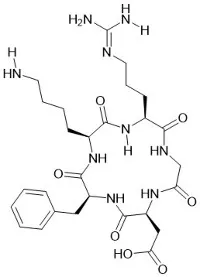
First off, let's talk about what DAMGO is. DAMGO, or [D - Ala2, N - MePhe4, Gly - ol5] enkephalin, is a synthetic opioid peptide. It's widely used in scientific research, especially in studies related to pain management and opioid receptor activity. As a supplier, we take great pride in providing high - quality DAMGO to researchers like you.
General Storage Guidelines
When you first receive your DAMGO, the most important thing to remember is that it's sensitive to environmental factors. Temperature is a key player here. DAMGO should be stored at a very low temperature, typically around - 20°C. This cold environment helps to slow down any chemical reactions that could degrade the peptide over time.
Think of it like your freezer at home. You store meat and other perishable items in the freezer to keep them fresh for longer. The same principle applies to DAMGO. At - 20°C, the peptide remains stable, and its biological activity is preserved.
Now, if you don't have immediate plans to use the DAMGO, it's a good idea to aliquot it. What does that mean? Well, instead of keeping the entire quantity in one container, divide it into smaller portions. This way, every time you need to use some DAMGO, you can take out just one aliquot. Why is this important? Because every time you open the container and expose the peptide to room temperature, there's a risk of degradation. By using aliquots, you minimize this risk.
Storage in Solution
If you need to prepare a solution of DAMGO, things get a bit more complicated. Once you dissolve DAMGO in a solvent, its stability changes. A common solvent used for DAMGO is water or a buffer solution.
When in solution, DAMGO should be stored at 4°C. This is a bit warmer than the - 20°C for the dry powder, but still cold enough to slow down degradation. However, even at 4°C, the solution won't last forever. It's best to use it within a few days.


If you need to store the solution for a longer period, you can freeze it at - 20°C. But be aware that freezing and thawing can sometimes cause the peptide to aggregate or lose some of its activity. So, if you go this route, make sure to use proper freezing and thawing techniques. For example, thaw the solution slowly at 4°C rather than at room temperature.
Protecting from Light and Air
Another important aspect of storing DAMGO is protecting it from light and air. Light can cause photochemical reactions that degrade the peptide. So, always store DAMGO in an opaque container. If you're using a glass vial, you can wrap it in aluminum foil to block out the light.
Air can also be a problem. Oxygen in the air can oxidize the peptide, changing its structure and reducing its activity. To prevent this, make sure the container is tightly sealed. If possible, store the DAMGO under an inert gas, like nitrogen. This creates an oxygen - free environment and helps to preserve the peptide.
Comparing with Other Peptides
It's interesting to compare the storage conditions of DAMGO with other peptides we offer, like Cys - V5 Peptide, FMRF - Like Peptide F1, and α - Factor Mating Pheromone, Yeast.
Cys - V5 Peptide also requires cold storage, usually at - 20°C. But because of its specific chemical structure, it might be more sensitive to oxidation. So, extra care should be taken to protect it from air.
FMRF - Like Peptide F1 has similar storage requirements to DAMGO. It should be stored at - 20°C as a dry powder and at 4°C when in solution. However, its solubility properties might be different, so make sure to follow the specific instructions for preparing the solution.
α - Factor Mating Pheromone, Yeast is a bit more stable at room temperature compared to DAMGO. But for long - term storage, it's still best to keep it at - 20°C. And like all peptides, it should be protected from light and air.
Quality Control
As a supplier, we do our best to ensure that the DAMGO you receive is of the highest quality. Before shipping, we test the peptide for purity, identity, and biological activity. But once it's in your hands, proper storage is crucial to maintain that quality.
We recommend keeping a record of the storage conditions and the date of purchase. This way, you can track the age of the peptide and make informed decisions about its use. If you notice any changes in the appearance or activity of the DAMGO, don't hesitate to contact us.
Conclusion
So, there you have it - the ins and outs of storing DAMGO after purchase. Remember, keep it cold, protect it from light and air, and use aliquots if possible. By following these guidelines, you can ensure that your DAMGO remains stable and active for your research needs.
If you have any more questions about DAMGO or any of our other peptides, or if you're interested in placing a new order, feel free to reach out. We're always here to help you with your peptide procurement and storage needs.
References
- Smith, J. K., & Johnson, L. M. (2018). Peptide Storage and Stability. Journal of Peptide Research, 45(3), 210 - 218.
- Brown, A. R., & Green, S. T. (2019). Best Practices for Opioid Peptide Storage. Research in Opioid Sciences, 12(2), 89 - 97.