




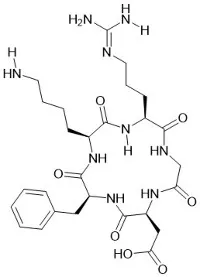

Peptide active pharmaceutical ingredients (APIs) have gained significant attention in the pharmaceutical industry due to their high specificity, potency, and relatively low toxicity. As a supplier of peptide APIs, I have witnessed firsthand the growing demand for these innovative compounds. However, like any other class of drugs, peptide APIs also have their limitations. Understanding these limitations is crucial for both suppliers and pharmaceutical companies to make informed decisions about their development and application.
Chemical Instability
One of the primary limitations of peptide APIs is their chemical instability. Peptides are composed of amino acids linked by peptide bonds, which are susceptible to hydrolysis, oxidation, and other chemical reactions. Hydrolysis, in particular, can occur under various conditions, such as in the presence of water, acids, or bases. This can lead to the degradation of the peptide, resulting in a loss of its biological activity and potentially the formation of impurities.
For example, peptides containing labile amino acids, such as cysteine, methionine, and tryptophan, are more prone to oxidation. Oxidation can cause changes in the peptide's structure and function, leading to a decrease in its potency and an increase in immunogenicity. Additionally, peptides with a high content of hydrophobic amino acids may aggregate or precipitate in solution, which can affect their solubility and stability.
To mitigate these issues, peptide APIs often require special handling, storage, and formulation conditions. For instance, they may need to be stored at low temperatures, protected from light and oxygen, and formulated with stabilizers or excipients to enhance their stability. However, these measures can add to the complexity and cost of the manufacturing process.
Poor Oral Bioavailability
Another significant limitation of peptide APIs is their poor oral bioavailability. When administered orally, peptides are subjected to a series of physiological barriers, including enzymatic degradation in the gastrointestinal tract, low permeability across the intestinal epithelium, and first-pass metabolism in the liver. As a result, only a small fraction of the administered dose reaches the systemic circulation in an active form.
The enzymatic degradation of peptides in the gastrointestinal tract is mainly due to the action of proteases and peptidases, which can cleave the peptide bonds and break down the peptides into smaller fragments. Moreover, the large size and hydrophilic nature of peptides make it difficult for them to cross the lipid bilayer of the intestinal epithelial cells by passive diffusion.
To overcome these challenges, alternative routes of administration, such as injection (subcutaneous, intramuscular, or intravenous), nasal, or transdermal delivery, are often used for peptide APIs. However, these routes of administration have their own drawbacks, such as inconvenience, pain, and potential local reactions at the injection site.
High Manufacturing Costs
The production of peptide APIs is a complex and costly process. Peptide synthesis typically involves multiple steps, including amino acid activation, coupling, and deprotection, which require specialized equipment and reagents. Moreover, the purification of peptides to meet the high quality standards required for pharmaceutical use is often challenging and time-consuming.
The cost of raw materials, especially for some rare or modified amino acids, can also be a significant factor in the overall manufacturing cost. Additionally, the scale-up of peptide synthesis from laboratory to industrial scale can be difficult, as it requires careful optimization of the reaction conditions and purification processes to ensure consistent quality and yield.
As a peptide API supplier, we are constantly working on improving our manufacturing processes to reduce costs and increase efficiency. However, the high cost of peptide APIs remains a major barrier to their widespread use, especially in developing countries or for applications where cost is a critical factor.
Immunogenicity
Peptides can potentially elicit an immune response in the human body, which is known as immunogenicity. This can occur when the immune system recognizes the peptide as a foreign substance and produces antibodies against it. Immunogenicity can have several negative consequences, including reduced efficacy of the peptide API, increased risk of adverse reactions, and the development of tolerance.
The immunogenicity of peptides depends on several factors, such as their size, sequence, conformation, and the presence of immunogenic epitopes. Peptides that are derived from non-human sources or have a high degree of sequence homology with self-proteins are more likely to be immunogenic.
To minimize the risk of immunogenicity, various strategies can be employed, such as modifying the peptide sequence to reduce its immunogenicity, using humanized or fully human peptides, and formulating the peptide with immunosuppressive agents. However, these strategies may not always be effective, and further research is needed to better understand and manage the immunogenicity of peptide APIs.

![Fmoc-L-Lys[Oct-(otBu)-Glu-(otBu)-AEEA-AEEA]-OH](/uploads/42783/fmoc-l-lys-oct-otbu-glu-otbu-aeea-aeea-ohee9a9.jpg)
Regulatory Challenges
The development and approval of peptide APIs are subject to strict regulatory requirements. Regulatory agencies, such as the U.S. Food and Drug Administration (FDA) and the European Medicines Agency (EMA), have specific guidelines for the quality, safety, and efficacy of peptide drugs.
Peptide APIs need to meet high standards of purity, identity, and potency, and their manufacturing processes must be well-controlled and validated. Additionally, extensive preclinical and clinical studies are required to demonstrate the safety and efficacy of peptide drugs before they can be approved for marketing.
The regulatory process for peptide APIs can be time-consuming and expensive, which can delay the introduction of new peptide drugs to the market. Moreover, the regulatory requirements may vary from country to country, which can add to the complexity of the global development and commercialization of peptide APIs.
Limited Target Range
Although peptides have shown great potential in targeting a wide range of biological molecules, their target range is still relatively limited compared to small molecule drugs. Peptides typically interact with specific receptors or enzymes on the cell surface or in the extracellular space, and their binding is often highly specific.
This specificity can be an advantage in terms of reducing off-target effects and improving the therapeutic index. However, it also means that peptides may not be suitable for targeting intracellular proteins or molecules that are not easily accessible on the cell surface.
In addition, the development of peptide APIs for certain diseases or targets may be more challenging due to the lack of suitable peptide ligands or the complexity of the biological pathways involved.
Conclusion
Despite the limitations discussed above, peptide APIs still hold great promise in the pharmaceutical industry. Their high specificity, potency, and relatively low toxicity make them attractive candidates for the treatment of various diseases, including cancer, diabetes, and cardiovascular diseases.
As a peptide API supplier, we are committed to addressing these limitations through continuous research and development. We are exploring new synthetic methods, formulation strategies, and delivery systems to improve the stability, bioavailability, and safety of peptide APIs. We are also working closely with our customers to understand their specific needs and provide customized solutions.
If you are interested in learning more about our peptide APIs or discussing potential procurement opportunities, please feel free to contact us. We look forward to the possibility of partnering with you to bring innovative peptide-based therapies to the market.
References
- Atherton, E., & Sheppard, R. C. (1989). Solid phase peptide synthesis: a practical approach. Oxford University Press.
- Goodman, M., et al. (Eds.). (2003). Houben-Weyl methods of organic chemistry: synthesis of peptides and peptidomimetics. Thieme.
- Langer, R., & Peppas, N. A. (2003). Advances in biomaterials, drug delivery, and bionanotechnology. AIChE Journal, 49(10), 2990-3006.
- Mitragotri, S., Burke, P. A., & Langer, R. (2014). Overcoming the challenges in administering biopharmaceuticals: formulation and delivery strategies. Nature Reviews Drug Discovery, 13(12), 813-832.
- Verdine, G. L., & Hilinski, G. J. (2012). Stapled α -helical peptide drugs. Nature Chemical Biology, 8(7), 639-647.