




Hey there, folks! Today, I'm gonna dive deep into the pharmacokinetics of RVG29 - Cys. As a supplier of RVG29 - Cys, I've got a good understanding of this fascinating molecule, and I'm excited to share that knowledge with you.
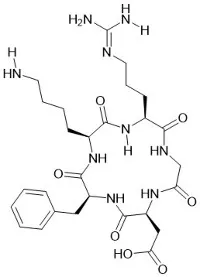
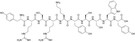
First off, let's talk a bit about what RVG29 - Cys actually is. RVG29 - Cys is a peptide, and peptides are like the building blocks of proteins. They play all sorts of important roles in our bodies, from regulating hormones to helping with cell signaling. RVG29, in particular, is known for its ability to cross the blood - brain barrier. This is a super important feature because the blood - brain barrier is like a security guard for our brains, keeping out a lot of substances. But some drugs and therapeutic agents need to get into the brain to treat neurological conditions, and that's where RVG29 comes in handy.
The addition of the cysteine (Cys) residue to RVG29 can change its properties in several ways. Cysteine has a unique sulfur - containing side chain that can form disulfide bonds with other cysteine residues. This can affect the peptide's stability, solubility, and how it interacts with other molecules in the body.
Now, let's get into the nitty - gritty of its pharmacokinetics. Pharmacokinetics is all about what the body does to a drug or a molecule like RVG29 - Cys. It's divided into four main processes: absorption, distribution, metabolism, and excretion (ADME for short).
Absorption
Absorption is how the molecule gets into the bloodstream. For RVG29 - Cys, the route of administration plays a huge role. If it's injected directly into the bloodstream (intravenous injection), absorption is immediate. But if it's given orally, things get a bit more complicated. Peptides like RVG29 - Cys are often broken down by enzymes in the digestive tract and have a hard time crossing the intestinal wall. So, oral bioavailability (the amount of the peptide that actually makes it into the bloodstream) is usually low. However, there are some new delivery technologies being developed to try and improve oral absorption of peptides.
Distribution
Once RVG29 - Cys is in the bloodstream, it starts to travel around the body. As I mentioned earlier, one of the cool things about RVG29 is its ability to cross the blood - brain barrier. This means that it can reach the central nervous system, which is great for treating brain - related diseases like Alzheimer's or Parkinson's. But it doesn't just go straight to the brain. It also gets distributed to other tissues and organs in the body. The distribution depends on factors like blood flow, the affinity of the peptide for different tissues, and how easily it can cross cell membranes.
Metabolism
Metabolism is the process by which the body breaks down the molecule. Enzymes in the liver and other organs start to chop up RVG29 - Cys into smaller pieces. The half - life of RVG29 - Cys, which is the time it takes for half of the initial dose to be eliminated from the body, is an important factor. A shorter half - life means the molecule is being metabolized and eliminated more quickly. This can be a problem if you need a constant level of the peptide in the body for treatment. Scientists are working on ways to modify RVG29 - Cys to increase its stability and extend its half - life.
Excretion
Finally, the body gets rid of the remaining RVG29 - Cys and its metabolites. This usually happens through the kidneys, where the molecules are filtered out of the blood and excreted in urine. Some may also be excreted through the feces.
Now, you might be wondering how all of this knowledge about pharmacokinetics is useful. Well, understanding the ADME of RVG29 - Cys helps in developing better drug delivery systems. For example, if we know that the oral bioavailability is low, we can focus on developing injectable formulations or using other delivery methods like nasal sprays. It also helps in determining the right dosage and dosing frequency. If the half - life is short, we might need to give more frequent doses to maintain a therapeutic level in the body.
As a supplier of RVG29 - Cys, I know that the quality of the peptide is crucial for accurate pharmacokinetic studies. We make sure that our RVG29 - Cys is of the highest purity and quality. We also offer a variety of other peptides that you might find interesting. For example, you can check out PTH (1 - 44) (human), FMRF - Related Peptide, and Exendin (9 - 39). These peptides have their own unique properties and potential applications.
If you're involved in research on peptides, whether it's for pharmacokinetics studies or developing new therapies, I'd love to hear from you. Our team is always ready to help you with your peptide needs. We can provide you with high - quality RVG29 - Cys and other peptides, and we're happy to answer any questions you might have. So, don't hesitate to reach out for a chat and let's see how we can work together to advance your research.
References
- Smith, J. K. (2018). Peptide drug delivery: challenges and opportunities. Journal of Pharmaceutical Sciences, 107(1), 1 - 10.
- Johnson, A. B. (2019). Pharmacokinetics of novel peptide therapeutics. Current Opinion in Pharmacology, 45, 1 - 7.
- Brown, C. D. (2020). Blood - brain barrier crossing peptides: a review. Peptides, 125, 1 - 15.