




Hey there! If you're gearing up for a TRAP - 5 test, you're in the right place. I'm from a TRAP - 5 supply team, and I've got the lowdown on all the preparations you need to make before taking this important test.
First off, let's talk about what TRAP - 5 is. Tartrate - resistant acid phosphatase 5 (TRAP - 5) is an enzyme that's mainly produced by osteoclasts, the cells responsible for breaking down bone. Measuring the levels of TRAP - 5 in your blood can give doctors valuable insights into bone health. It's often used to diagnose and monitor bone - related conditions like osteoporosis, Paget's disease, and bone metastases.
Understanding the Test
Before you jump into the test, it's crucial to understand why you're taking it. Your doctor will usually order a TRAP - 5 test if they suspect a bone disorder. Maybe you've been experiencing bone pain, or your previous bone density scans showed some concerning results. In any case, have a heart - to - heart with your doctor. Ask them about the purpose of the test, what the results could mean, and how they'll use the information to guide your treatment.
Medical History
Your medical history plays a huge role in the accuracy of the TRAP - 5 test. Make sure you tell your doctor about any pre - existing medical conditions. If you have kidney disease, for example, it can affect the levels of TRAP - 5 in your blood. Also, let them know about any medications you're currently taking. Some drugs, like bisphosphonates, which are commonly used to treat osteoporosis, can lower TRAP - 5 levels. So, your doctor might need to adjust the test interpretation based on this information.
Lifestyle and Diet
Believe it or not, your lifestyle and diet can impact the TRAP - 5 test results. In the days leading up to the test, try to maintain a normal, balanced diet. Avoid excessive alcohol consumption, as alcohol can affect bone metabolism and potentially skew the test results. Regular exercise is great for bone health, but don't overdo it right before the test. Intense physical activity can cause temporary changes in bone - related markers, including TRAP - 5.
Fasting
In most cases, you don't need to fast before a TRAP - 5 test. Unlike some other blood tests, food intake doesn't have a significant impact on TRAP - 5 levels. However, it's always a good idea to double - check with your doctor. They might have specific instructions based on your individual situation.
Mental Preparation
Taking a medical test can be stressful, especially if you're worried about the results. Try to stay calm and positive. Remember, the TRAP - 5 test is just a tool to help your doctor understand your bone health better. If you're feeling anxious, talk to your friends, family, or a counselor. They can offer support and help you manage your stress.
What to Bring to the Test
When you go for the TRAP - 5 test, make sure you bring your ID and any insurance information. If your doctor gave you a referral form, don't forget to take that too. It's also a good idea to bring a list of your current medications and any relevant medical records. This will make the process smoother for both you and the medical staff.
Related Peptides
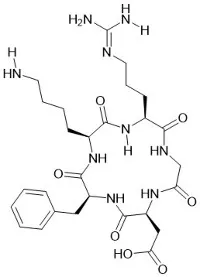
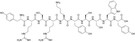
There are some peptides that are related to bone health and might be of interest to you. For example, E[c(RGDyK)]2 has shown potential in bone - related research. It can interact with cells in the bone microenvironment, which could have implications for bone repair and regeneration. Another one is Dynorphin A (1 - 10) Amide, which may play a role in pain modulation and bone metabolism. And Stresscopin (human) has been linked to stress - related effects on bone health.
After the Test
Once you've had the TRAP - 5 test, you'll need to wait for the results. This usually takes a few days. In the meantime, continue with your normal routine. If you have any questions or concerns while waiting, don't hesitate to call your doctor's office.
When you get the results, go over them with your doctor. They'll explain what the numbers mean and what the next steps are. If the results are normal, that's great news! But if there are any abnormalities, your doctor will work with you to develop a treatment plan.
Why Choose Our TRAP - 5 Supply
As a TRAP - 5 supplier, we take pride in providing high - quality products. Our TRAP - 5 assays are accurate, reliable, and easy to use. We've invested a lot of time and resources in research and development to ensure that our products meet the highest standards. Whether you're a medical laboratory, a research institution, or a healthcare provider, we can offer you the best solutions for your TRAP - 5 testing needs.
If you're interested in purchasing our TRAP - 5 products, we'd love to hear from you. We can provide you with detailed product information, pricing, and support. Contact us to start a conversation about how we can help you with your bone - related testing requirements.
References
- A. M. Parfitt, "Bone histomorphometry: standardization of nomenclature, symbols, and units. Report of the ASBMR Histomorphometry Nomenclature Committee." Journal of Bone and Mineral Research, 1987.
- M. J. Seibel, "Biochemical markers of bone turnover." Clinical Biochemistry, 2005.
- R. P. Heaney, "Calcium, vitamin D, and bone health." Journal of Clinical Endocrinology and Metabolism, 2006.