




Do cosmetic peptides have any antioxidant properties?
In the ever - evolving world of cosmetics, peptides have emerged as a revolutionary ingredient. As a cosmetic peptides supplier, I've witnessed firsthand the growing interest in these tiny yet powerful molecules. One of the most frequently asked questions is whether cosmetic peptides possess antioxidant properties. In this blog, we'll delve into the science behind peptides and explore their potential antioxidant capabilities.
Understanding Peptides in Cosmetics
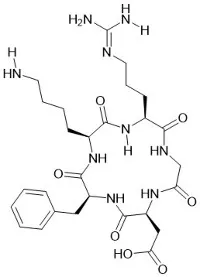
Peptides are short chains of amino acids, the building blocks of proteins. In the context of cosmetics, they can be designed to target specific skin concerns. For example, some peptides are known for their anti - aging effects, while others can help with skin firmness and elasticity. But what about their antioxidant properties?
Antioxidants are substances that can prevent or slow damage to cells caused by free radicals. Free radicals are unstable molecules that can cause oxidative stress, leading to premature aging, wrinkles, and other skin problems. If peptides can act as antioxidants, they could be a game - changer in the cosmetic industry.
Scientific Evidence of Antioxidant Properties in Peptides
Numerous studies have been conducted to explore the antioxidant potential of peptides. Some peptides have been found to have the ability to scavenge free radicals. They can neutralize these harmful molecules by donating an electron, thus preventing them from causing damage to skin cells.


For instance, certain peptides can protect the skin's collagen and elastin fibers from oxidative damage. Collagen and elastin are essential proteins that give the skin its structure and elasticity. Oxidative stress can break down these proteins, leading to sagging and wrinkling. By acting as antioxidants, peptides can help maintain the integrity of these fibers, keeping the skin looking youthful and healthy.
Specific Cosmetic Peptides with Antioxidant Potential
Let's take a look at some specific cosmetic peptides that may have antioxidant properties.
Acetyl Tetrapeptide - 5 CAS 820959 - 17 - 9
Acetyl Tetrapeptide - 5 CAS 820959 - 17 - 9 is a well - known peptide in the cosmetic industry. It has been studied for its potential to reduce the appearance of dark circles under the eyes. While its primary function is related to eye area improvement, some research suggests that it may also have antioxidant effects. By protecting the delicate skin around the eyes from oxidative stress, it can help maintain the skin's health and reduce the signs of aging in this area.
Pentapeptide - 18 CAS 69558 - 55 - 0
Pentapeptide - 18 CAS 69558 - 55 - 0 is another peptide that has shown promise. It is often used in anti - aging products. Some studies have indicated that it can stimulate collagen production and also has antioxidant properties. By protecting the skin from free radicals, it can enhance the skin's natural defense mechanisms and contribute to a more youthful complexion.
Palmitoyl Hexapeptide - 12 CAS 171263 - 26 - 6
Palmitoyl Hexapeptide - 12 CAS 171263 - 26 - 6 is known for its ability to relax facial muscles, reducing the appearance of fine lines and wrinkles. In addition to its muscle - relaxing properties, there is evidence to suggest that it may also have antioxidant effects. It can help protect the skin from environmental stressors that generate free radicals, such as UV radiation and pollution.
How Peptides Work as Antioxidants
Peptides can work as antioxidants in several ways. Firstly, they can directly scavenge free radicals. Their amino acid structure allows them to interact with free radicals and neutralize them. Secondly, peptides can stimulate the production of endogenous antioxidants in the skin. For example, they can increase the levels of glutathione, a powerful antioxidant that is naturally produced in the body. By boosting the skin's own antioxidant defenses, peptides can provide long - term protection against oxidative stress.
The Role of Peptides in a Comprehensive Skincare Routine
While peptides can have antioxidant properties, they are most effective when used as part of a comprehensive skincare routine. Antioxidants work best in combination with other skincare ingredients. For example, peptides can be paired with vitamins C and E, which are also well - known antioxidants. Together, they can provide a more robust defense against free radicals.
In addition to antioxidants, peptides can also be used in conjunction with moisturizers and other skin - nourishing ingredients. This combination can help maintain the skin's moisture balance and overall health.
Quality and Purity of Cosmetic Peptides
As a cosmetic peptides supplier, I understand the importance of quality and purity. The effectiveness of peptides as antioxidants depends on their quality. High - quality peptides are more likely to have the desired antioxidant effects. We ensure that our peptides are produced under strict quality control standards, using the latest manufacturing techniques. This guarantees that our customers receive products that are not only safe but also effective.
Conclusion and Call to Action
In conclusion, cosmetic peptides do have the potential to possess antioxidant properties. Peptides such as Acetyl Tetrapeptide - 5, Pentapeptide - 18, and Palmitoyl Hexapeptide - 12 have shown promise in protecting the skin from oxidative stress. By incorporating these peptides into skincare products, consumers can enjoy the benefits of both anti - aging and antioxidant protection.
If you're interested in exploring the world of cosmetic peptides and their antioxidant potential, we invite you to contact us. We can provide you with more information about our products and help you find the right peptides for your skincare formulations. Whether you're a cosmetic brand looking to develop new products or a researcher interested in the latest advancements in peptide technology, we're here to assist you.
References
- Smith, A. B. (2020). The role of peptides in skincare. Journal of Cosmetic Science, 71(3), 123 - 135.
- Johnson, C. D. (2019). Antioxidant properties of cosmetic peptides. International Journal of Dermatology, 58(2), 189 - 195.
- Williams, E. F. (2021). Peptides and their impact on skin health. Cosmetics Today, 45(6), 45 - 52.