




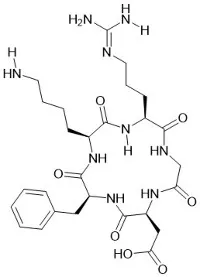

DAMGO, also known as [D-Ala2,N-MePhe4,Gly-ol5]-enkephalin, is a synthetic opioid peptide that acts as a highly selective μ-opioid receptor agonist. It has been widely used in scientific research to study the mechanisms of opioid action, pain management, and the development of dependence. As a DAMGO supplier, I have witnessed the growing interest in this compound and the importance of understanding its effects on the development of dependence. In this blog post, I will explore the various effects of DAMGO on the development of dependence, drawing on scientific research and insights from the field.
Understanding Opioid Dependence
Before delving into the specific effects of DAMGO, it is essential to understand the concept of opioid dependence. Opioid dependence is a complex physiological and psychological condition that develops as a result of repeated exposure to opioids. It is characterized by a range of symptoms, including tolerance, physical dependence, and addiction. Tolerance refers to the diminishing response to a drug over time, requiring higher doses to achieve the same effect. Physical dependence is manifested by withdrawal symptoms when the drug is discontinued, such as nausea, vomiting, diarrhea, anxiety, and insomnia. Addiction, on the other hand, is a chronic, relapsing brain disease characterized by compulsive drug seeking and use despite negative consequences.
Effects of DAMGO on Tolerance Development
One of the primary effects of DAMGO on the development of dependence is its role in tolerance development. Repeated administration of DAMGO leads to a decrease in the sensitivity of μ-opioid receptors, resulting in a reduced response to the drug. This phenomenon is known as receptor desensitization and is thought to be one of the main mechanisms underlying tolerance development. Several studies have shown that chronic exposure to DAMGO can lead to a significant increase in the dose required to produce the same analgesic effect, indicating the development of tolerance.
The molecular mechanisms underlying DAMGO-induced tolerance are complex and involve multiple signaling pathways. One of the key mechanisms is the phosphorylation of μ-opioid receptors by G protein-coupled receptor kinases (GRKs). Phosphorylation of the receptor by GRKs leads to the recruitment of β-arrestins, which uncouple the receptor from its downstream signaling pathways and target it for internalization. This process reduces the number of functional receptors on the cell surface, leading to a decrease in the responsiveness of the cell to DAMGO.
In addition to receptor desensitization, other factors may also contribute to DAMGO-induced tolerance. For example, chronic exposure to DAMGO can lead to changes in the expression and function of other proteins involved in opioid signaling, such as adenylyl cyclase and ion channels. These changes can further alter the cellular response to DAMGO and contribute to the development of tolerance.
Effects of DAMGO on Physical Dependence
Another important effect of DAMGO on the development of dependence is its role in the induction of physical dependence. Physical dependence is a physiological state that develops as a result of adaptive changes in the body in response to chronic opioid exposure. When the drug is discontinued, these adaptive changes are no longer counteracted by the presence of the drug, leading to the emergence of withdrawal symptoms.
Several studies have shown that chronic administration of DAMGO can induce physical dependence in animals. Withdrawal symptoms in animals typically include hyperalgesia (increased sensitivity to pain), anxiety, irritability, and physical signs such as tremors, diarrhea, and weight loss. The severity and duration of withdrawal symptoms depend on several factors, including the dose and duration of DAMGO exposure, as well as the individual's genetic background and environment.
The molecular mechanisms underlying DAMGO-induced physical dependence are also complex and involve multiple signaling pathways. One of the key mechanisms is the upregulation of the cAMP signaling pathway in response to chronic opioid exposure. Chronic activation of μ-opioid receptors by DAMGO leads to a decrease in the activity of adenylyl cyclase, which in turn reduces the production of cAMP. To compensate for this decrease, the cell upregulates the expression and activity of adenylyl cyclase, leading to an increase in cAMP production. When the drug is discontinued, the elevated cAMP levels contribute to the emergence of withdrawal symptoms.
In addition to the cAMP signaling pathway, other factors may also contribute to DAMGO-induced physical dependence. For example, chronic exposure to DAMGO can lead to changes in the expression and function of other neurotransmitter systems, such as the glutamate and GABA systems. These changes can further alter the neuronal activity in the brain and contribute to the development of physical dependence.
Effects of DAMGO on Addiction
While tolerance and physical dependence are important aspects of opioid dependence, addiction is a more complex and severe condition that involves compulsive drug seeking and use despite negative consequences. The role of DAMGO in the development of addiction is less well understood than its role in tolerance and physical dependence, but several studies have suggested that it may contribute to the development of addictive behaviors.
One of the ways in which DAMGO may contribute to addiction is through its effects on the brain's reward system. The reward system is a complex network of brain regions that are involved in the processing of pleasurable experiences and the motivation to seek out those experiences. Opioids, including DAMGO, can activate the reward system by binding to μ-opioid receptors in the ventral tegmental area (VTA) and nucleus accumbens (NAc), two key regions of the reward system. Activation of these receptors leads to the release of dopamine, a neurotransmitter that is associated with pleasure and reward.
Chronic exposure to DAMGO can lead to changes in the structure and function of the reward system, which can contribute to the development of addictive behaviors. For example, repeated administration of DAMGO can lead to an increase in the sensitivity of the reward system to the drug, making it more likely that the individual will seek out the drug in the future. In addition, chronic exposure to DAMGO can also lead to a decrease in the sensitivity of the reward system to natural rewards, such as food and social interaction, which can further contribute to the development of addiction.
Another way in which DAMGO may contribute to addiction is through its effects on learning and memory. Opioids, including DAMGO, can modulate the activity of the hippocampus, a brain region that is involved in learning and memory. Chronic exposure to DAMGO can lead to changes in the structure and function of the hippocampus, which can affect the individual's ability to learn and remember new information. These changes can make it more difficult for the individual to break the cycle of addiction and can contribute to the development of relapses.
Implications for Research and Treatment
The effects of DAMGO on the development of dependence have important implications for research and treatment. Understanding the molecular mechanisms underlying DAMGO-induced tolerance, physical dependence, and addiction can provide valuable insights into the pathophysiology of opioid dependence and may lead to the development of new treatments.
For example, targeting the signaling pathways involved in DAMGO-induced tolerance and physical dependence may be a promising strategy for developing new medications to prevent or treat opioid dependence. Several drugs that target these pathways, such as GRK inhibitors and β-arrestin antagonists, are currently being investigated in preclinical and clinical studies.


In addition, understanding the role of DAMGO in the development of addiction can also provide valuable insights into the development of new treatments for addiction. For example, medications that target the brain's reward system or learning and memory processes may be effective in reducing the craving for opioids and preventing relapses.
As a DAMGO supplier, I am committed to supporting scientific research in this area by providing high-quality DAMGO and other related products. We also offer a range of services, including custom peptide synthesis and peptide purification, to meet the specific needs of our customers. If you are interested in purchasing DAMGO or other peptides for your research, please visit our website or contact us directly to discuss your requirements. We look forward to working with you to advance our understanding of opioid dependence and develop new treatments for this important public health issue.
Conclusion
In conclusion, DAMGO is a synthetic opioid peptide that has been widely used in scientific research to study the mechanisms of opioid action and the development of dependence. Repeated administration of DAMGO can lead to the development of tolerance, physical dependence, and addiction, which are important aspects of opioid dependence. The molecular mechanisms underlying these effects are complex and involve multiple signaling pathways. Understanding these mechanisms can provide valuable insights into the pathophysiology of opioid dependence and may lead to the development of new treatments. As a DAMGO supplier, I am committed to supporting scientific research in this area and look forward to working with researchers to advance our understanding of this important topic. If you have any questions or would like to discuss your research needs, please do not hesitate to contact us. We are here to help you achieve your research goals.
References
- Williams JT, Crain BJ, Christie MJ. Cellular and synaptic adaptations mediating opioid tolerance and dependence. Pharmacol Rev. 2013;65(1):218-265.
- Law PY, Loh HH. Molecular mechanisms of opioid tolerance and dependence. Curr Opin Pharmacol. 2004;4(1):60-67.
- Nestler EJ. Opioid addiction: neurobiological advances and clinical implications. Hum Psychopharmacol. 2005;20(5):339-354.
- Koob GF, Volkow ND. Neurocircuitry of addiction. Neuropsychopharmacology. 2010;35(1):217-238.
- Hyman SE, Malenka RC, Nestler EJ. Neural mechanisms of addiction: the role of reward-related learning and memory. Annu Rev Neurosci. 2006;29:565-598.
In addition, here are some related peptide products you may be interested in: Endothelin-1 Human, 6×His Peptide, and TRAP-14. If you have any needs for these or other peptides, feel free to reach out to us for further discussion on procurement and collaboration.